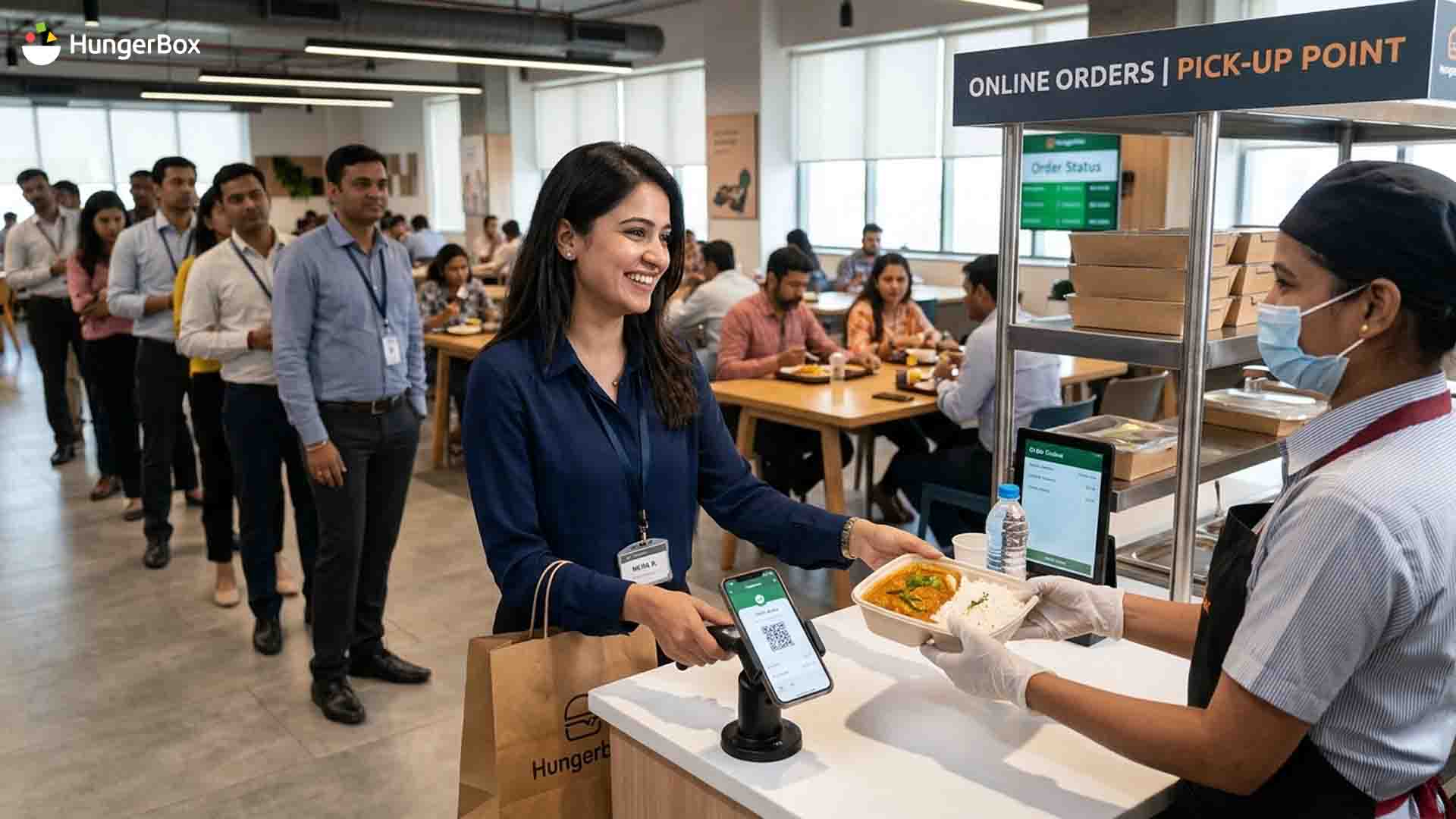
Why Do You Need a Cafeteria Management System for Your Corporate Office Today?
A Cafeteria Management System is a smart digital solution that helps companies manage workplace dining efficiently. It simplifies food ordering, vendor coordination, billing, employee meal access, hygiene tracking, and cafeteria operations from one platform. In today’s fast-moving corporate environment, businesses need more than just a traditional office cafeteria. Employees expect faster service, healthier meal options, contactless payments, and a smooth dining experience.
A modern Cafeteria Management System helps organizations reduce food wastage, improve employee satisfaction, manage multiple vendors, and gain real-time operational insights. It also supports hybrid workplaces by enabling pre-ordering, smart meal scheduling, and digital payments.
For HR teams, facility managers, and operations leaders, cafeteria technology is no longer optional. It directly impacts employee productivity, workplace wellness, and operational efficiency. Whether you run a large corporate campus or a growing office, investing in a digital cafeteria solution helps create a smarter, safer, and more organized workplace dining experience.
As companies continue to focus on employee experience and cost optimization, platforms like HungerBox are helping businesses transform traditional cafeterias into intelligent workplace food ecosystems.
Why Traditional Office Cafeterias No Longer Work
Many corporate cafeterias still operate with manual systems that create daily challenges for both employees and administrators.
Common Problems in Traditional Cafeterias
- Long lunch queues during peak hours
- Manual billing errors
- Poor vendor coordination
- Food wastage due to overproduction
- Lack of employee feedback tracking
- Limited food customization options
- No real-time inventory visibility
These issues reduce employee satisfaction and increase operational costs. A modern Corporate Cafeteria Software solves these challenges through automation and real-time management.
What Is a Cafeteria Management System?
A Cafeteria Management System is a digital platform that automates cafeteria operations inside corporate offices.
It typically includes:
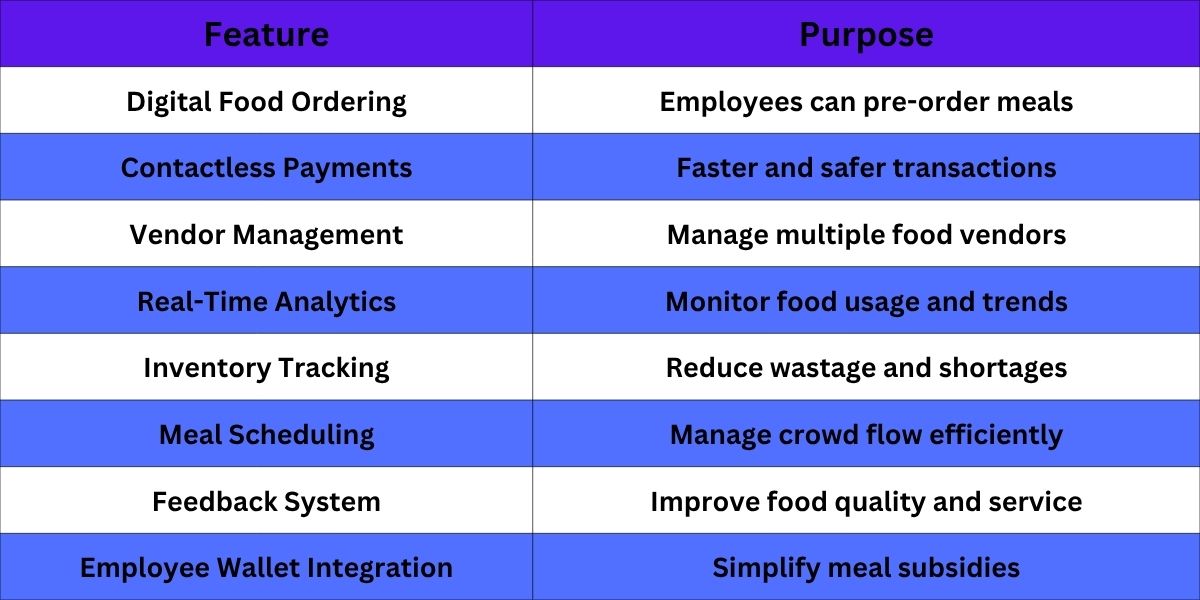
This software helps companies streamline workplace dining while improving operational transparency.
Key Benefits of a Cafeteria Management System
1. Improves Employee Experience
Employees today expect convenience in every workplace interaction, including dining.
With a Cafeteria Management System, employees can:
- View live menus
- Pre-order meals
- Skip long queues
- Make cashless payments
- Access dietary preferences
- Receive faster service
A smooth dining experience increases employee satisfaction and creates a better workplace environment.
Why It Matters
Employees spend a significant part of their day at work. A well-managed cafeteria directly impacts morale, productivity, and workplace engagement.
2. Reduces Food Wastage
Food wastage is one of the biggest challenges in corporate cafeterias.
Smart cafeteria software uses real-time data and demand forecasting to help vendors prepare accurate meal quantities.
How It Helps
- Tracks meal consumption trends
- Predicts peak demand hours
- Reduces overproduction
- Optimizes inventory management
This leads to significant cost savings and supports sustainability goals.
3. Supports Hybrid Workplaces
Hybrid work has changed office cafeteria usage patterns. Daily footfall is no longer predictable.
A Digital Cafeteria Management System helps organizations adjust food operations based on actual attendance.
Hybrid Workplace Features
- Attendance-based meal forecasting
- Slot-based dining schedules
- Pre-booked meal pickups
- Flexible vendor planning
This ensures cafeterias remain efficient even with fluctuating office occupancy.
4. Enables Contactless Dining
Post-pandemic workplace dining demands higher hygiene and safety standards.
Modern Cafeteria Management Software offers:
- QR-code ordering
- Contactless billing
- Mobile-based meal access
- Digital feedback systems
This minimizes physical touchpoints and improves workplace hygiene standards.
5. Simplifies Vendor Management
Managing multiple cafeteria vendors manually is difficult.
A centralized cafeteria platform allows facility managers to:
- Track vendor performance
- Monitor hygiene compliance
- Compare food ratings
- Analyze vendor sales reports
- Manage contracts efficiently
This improves accountability and food quality across the workplace.
How Cafeteria Management Systems Improve Workplace Productivity
A cafeteria may seem like a small operational area, but inefficient dining directly affects productivity.
Here’s How Smart Cafeterias Help
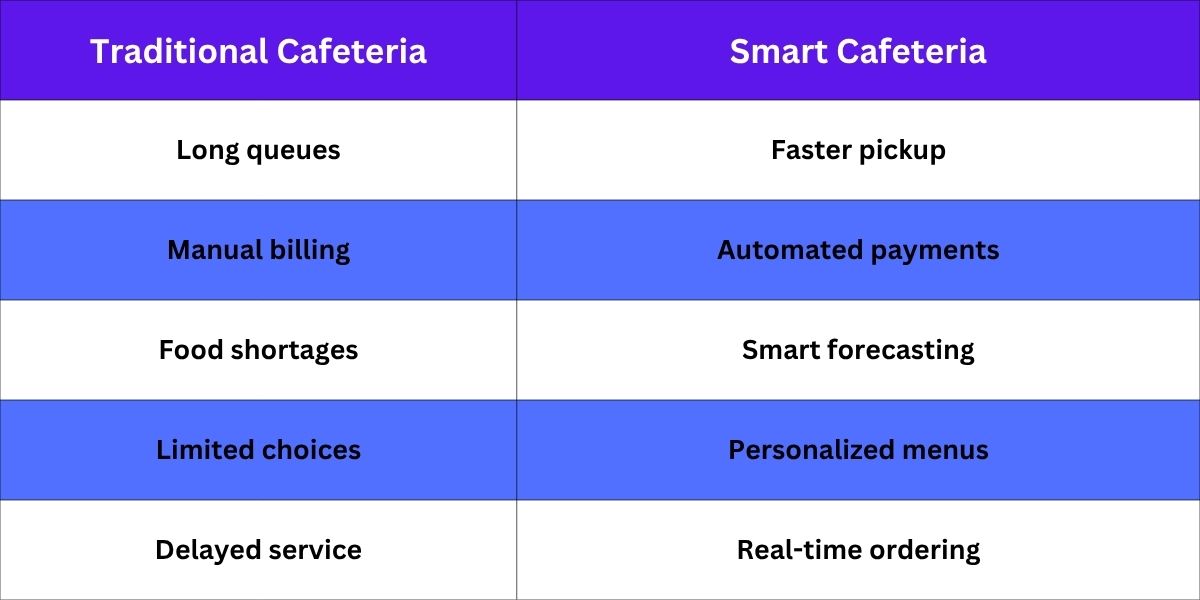
Employees spend less time waiting and more time focusing on work.
Important Features to Look for in Corporate Cafeteria Software
When choosing a Corporate Cafeteria Software, businesses should focus on features that improve both operations and employee experience.
Essential Features
Real-Time Analytics
Helps track:
- Food consumption
- Peak meal hours
- Vendor performance
- Employee preferences
Multi-Vendor Management
Allows companies to manage several food vendors from one dashboard.
Smart Meal Scheduling
Prevents overcrowding through scheduled pickup slots.
Mobile App Integration
Employees can order meals directly from their phones.
Employee Wallet & Subsidy Management
Automates company meal benefits and reimbursements.
How AI Is Transforming Cafeteria Management
AI-powered cafeteria systems are becoming more common in modern workplaces.
AI-Driven Features
- Predictive meal planning
- Smart food recommendations
- Demand forecasting
- Automated inventory tracking
- Personalized menu suggestions
AI helps organizations optimize food operations while reducing operational costs.
Cafeteria Management System and Employee Wellness
Workplace wellness is now a major HR priority.
Modern cafeteria software supports healthier eating by offering:
- Calorie information
- Allergen warnings
- Vegan and dietary filters
- Nutrition-based recommendations
Employees can make informed meal choices that align with their health goals.
Why Corporate Offices Need Smart Cafeteria Technology Today
Companies today compete not only on salaries but also on employee experience.
A smart cafeteria system helps organizations:
- Improve workplace culture
- Enhance employee satisfaction
- Reduce operational inefficiencies
- Support sustainability goals
- Increase cafeteria transparency
In large offices, these improvements create long-term business value.
Key Advantages of Using HungerBox Corporate Cafeteria Software
HungerBox helps organizations modernize workplace dining through advanced cafeteria technology.
Key Capabilities
- Multi-vendor cafeteria management
- Contactless ordering and payments
- Smart meal scheduling
- Real-time analytics dashboards
- Employee feedback tracking
- Food wastage reduction tools
- Seamless subsidy management
Businesses can manage cafeteria operations more efficiently while improving employee experience.
Key Takeaways
Why Your Office Needs a Cafeteria Management System
- Reduces cafeteria queues and wait times
- Improves employee dining experience
- Helps control food wastage
- Simplifies vendor management
- Supports hybrid workplace operations
- Enables contactless dining
- Improves workplace hygiene and safety
- Provides real-time operational insights
- Supports employee wellness initiatives
- Enhances overall workplace productivity
Future Trends in Cafeteria Management Systems
The future of workplace dining is becoming smarter and more data-driven.
Emerging Trends
- AI-powered food forecasting
- Smart vending integration
- Voice-based meal ordering
- Personalized employee meal plans
- Sustainability reporting dashboards
- IoT-enabled kitchen monitoring
Companies investing in cafeteria technology today will be better prepared for future workplace needs.
Why HungerBox Is the Right Choice
HungerBox helps enterprises build modern, employee-friendly dining ecosystems through advanced Corporate Cafeteria Software solutions.
Whether you manage:
- IT parks
- Corporate offices
- Manufacturing units
- Business campuses
- Hybrid workplaces
HungerBox helps streamline cafeteria operations at scale.
Ready to Transform Your Workplace Dining Experience?
Contact Us
Looking to modernize your office cafeteria with a smart Cafeteria Management System?
Get in touch with HungerBox to explore customized cafeteria solutions for your organization.
Schedule a Demo Call
See how HungerBox can help your business:
- Reduce cafeteria chaos
- Improve employee satisfaction
- Optimize food operations
- Enable contactless workplace dining
Book a personalized demo today.
Explore Corporate Cafeteria Software
Discover how HungerBox Corporate Cafeteria Software helps enterprises create smarter, safer, and more efficient workplace dining experiences.
Frequestly Asked Questions

A Cafeteria Management System is software that helps companies manage workplace dining operations digitally, including ordering, billing, vendor management, and food tracking.
The software uses analytics and meal forecasting to predict food demand accurately, helping vendors avoid overproduction.
Yes. It supports attendance-based forecasting, pre-ordering, and slot-based dining, making it ideal for hybrid workplaces.
Yes. Most modern cafeteria platforms allow employees to browse menus, order meals, and make digital payments through mobile apps.
It improves employee satisfaction, reduces operational costs, enhances hygiene standards, simplifies vendor management, and increases workplace efficiency.