Is Your Office Cafeteria Management Strategy Ready for the Digital Workplace?
Introduction
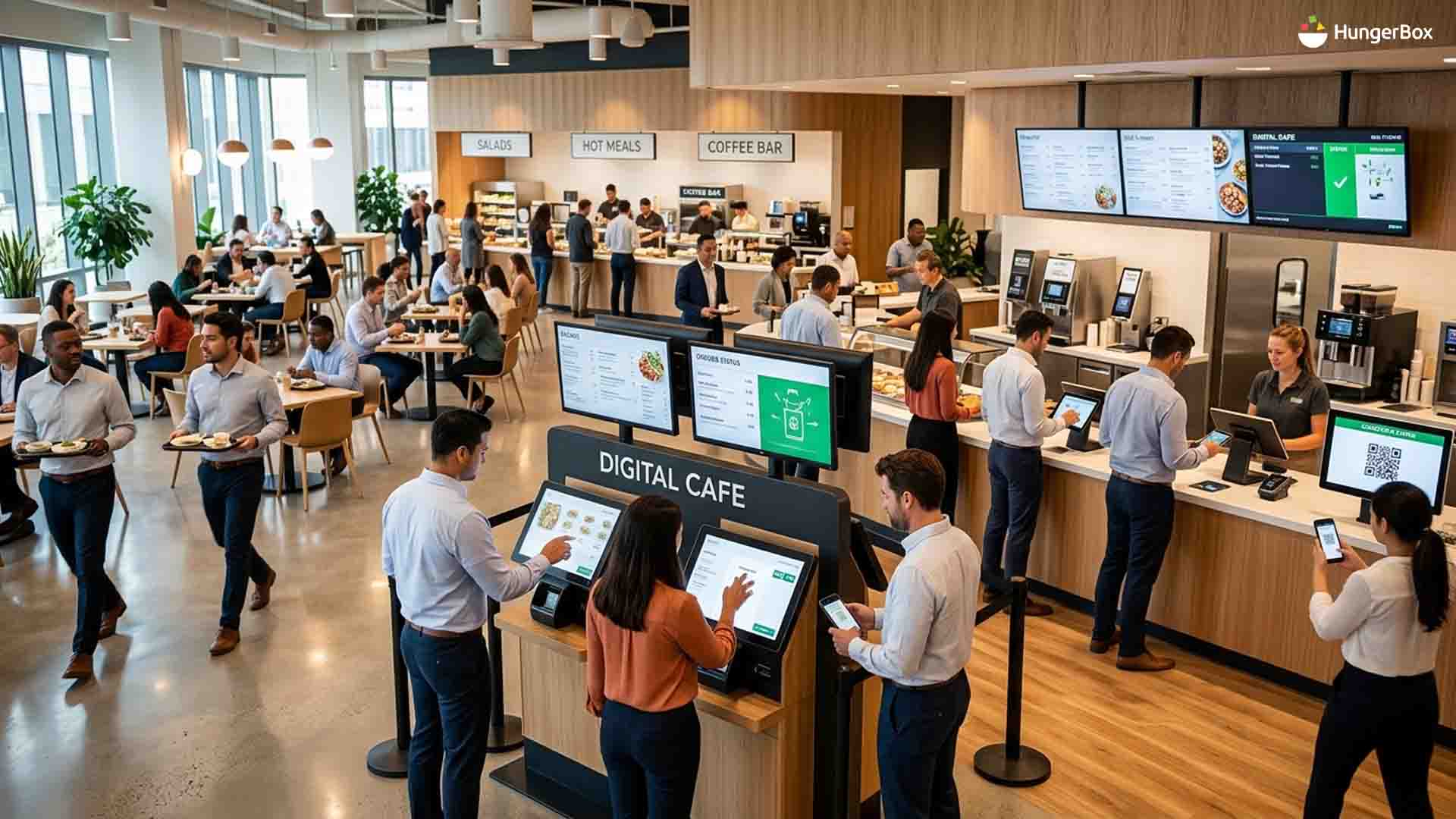
Office Cafeteria Management is no longer just about serving meals, it’s about creating a seamless, efficient, and data-driven dining experience for employees. In today’s digital workplace, organizations are rethinking how food services are managed to improve employee satisfaction, optimize costs, and ensure hygiene and compliance. From smart ordering systems to real-time analytics, modern cafeteria solutions are transforming traditional food courts into intelligent ecosystems.
If your organization still relies on manual processes, limited vendor visibility, or outdated systems, you may already be falling behind. Employees today expect convenience, personalization, and speed, similar to consumer-grade digital experiences. This is where digital-first cafeteria strategies step in, helping enterprises streamline operations while enhancing employee engagement.
In this blog, we explore whether your current cafeteria strategy is future-ready and how adopting a smarter approach to Office Cafeteria Management can drive measurable business outcomes.
Why Traditional Cafeteria Models Are No Longer Enough
Operational Challenges in Legacy Systems
Traditional cafeteria setups often face:
- Manual billing and reconciliation errors
- Limited menu visibility
- Inefficient vendor coordination
- Long queues and wait times
- Lack of real-time insights
These inefficiencies impact both employee experience and operational costs.
Changing Workforce Expectations
Today’s workforce demands:
- Contactless and quick transactions
- Personalized meal options
- Transparency in pricing and nutrition
- Mobile-first experiences
Without digital enablement, meeting these expectations becomes difficult.
What Defines a Digital-Ready Office Cafeteria?
A modern Office Cafeteria Management system integrates technology to streamline every touchpoint, from ordering to analytics.
Key Features of a Digital Cafeteria
1. Smart Ordering Systems
Employees can:
- Pre-order meals via mobile apps
- Avoid long queues
- Customize meals based on preferences
2. Cashless and Contactless Payments
- Digital wallets and UPI integration
- Faster checkout experiences
- Reduced dependency on cash handling
3. Vendor Management Platforms
- Centralized vendor onboarding
- Performance tracking
- Menu standardization
4. Real-Time Analytics
- Consumption trends
- Peak hour insights
- Waste reduction data
Benefits of Modern Office Cafeteria Management
Enhanced Employee Experience
A seamless cafeteria experience improves:
- Employee satisfaction
- Workplace productivity
- Retention rates
Cost Optimization
Digital systems help:
- Reduce food wastage
- Optimize inventory
- Improve vendor negotiations
Improved Compliance and Hygiene
- Automated audits
- Digital tracking of food safety standards
- Better transparency
Key Components of an Effective Cafeteria Strategy
Building a Future-Ready Cafeteria Ecosystem
Technology Integration
Invest in platforms that unify:
- Ordering
- Payments
- Vendor management
- Analytics
Data-Driven Decision Making
Use insights to:
- Optimize menus
- Predict demand
- Reduce operational inefficiencies
Employee-Centric Approach
Focus on:
- Dietary preferences
- Flexible meal plans
- Feedback-driven improvements
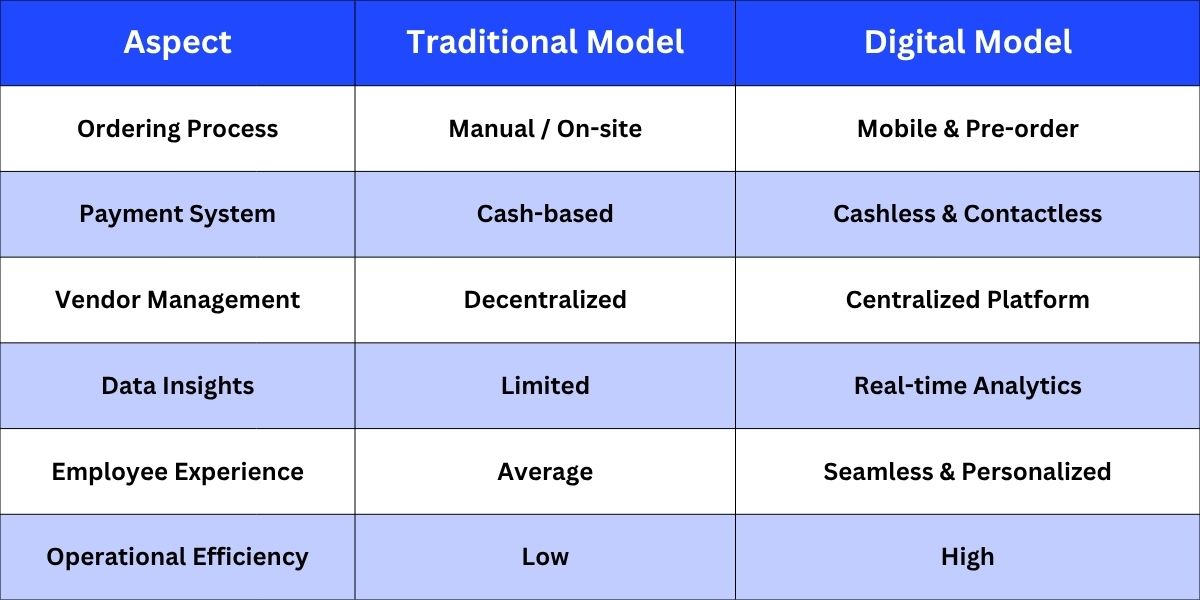
Comparison: Traditional vs Digital Cafeteria Management
How HungerBox Enables Smart Cafeteria Management
HungerBox empowers enterprises to transform their cafeteria operations with a unified platform designed for scale and efficiency.
What Sets HungerBox Apart?
- End-to-end cafeteria digitization
- AI-driven consumption insights
- Seamless vendor ecosystem
- Enterprise-grade security and compliance
- Scalable across multiple locations
Practical Steps to Upgrade Your Cafeteria Strategy
Step-by-Step Approach
- Assess Current Gaps
Identify inefficiencies in your existing setup - Define Objectives
Focus on employee experience, cost control, or both - Adopt Digital Tools
Implement a centralized cafeteria management platform - Train Stakeholders
Ensure vendors and employees adapt to new systems - Monitor and Optimize
Use analytics to continuously improve operations
Key Takeaways
- Office Cafeteria Management is evolving into a tech-driven function
- Digital solutions enhance both efficiency and employee satisfaction
- Data plays a critical role in optimizing cafeteria operations
- A centralized platform simplifies vendor and operational management
- Future-ready workplaces prioritize seamless dining experiences
Ready to transform your Office Cafeteria Management strategy?
- Contact us to understand how HungerBox can optimize your cafeteria operations
- Schedule a demo call to see our platform in action
- Explore smarter corporate cafeteria management solutions tailored for your workplace
Frequestly Asked Questions

Office Cafeteria Management refers to the process of managing workplace food services, including vendors, operations, payments, and employee experience.
It improves efficiency, reduces costs, and enhances employee satisfaction through automation and data insights.
It integrates mobile ordering, cashless payments, vendor management, and analytics into a single platform.
Yes, real-time data helps predict demand and optimize inventory, significantly reducing waste.
No, digital cafeteria solutions can scale for organizations of all sizes.