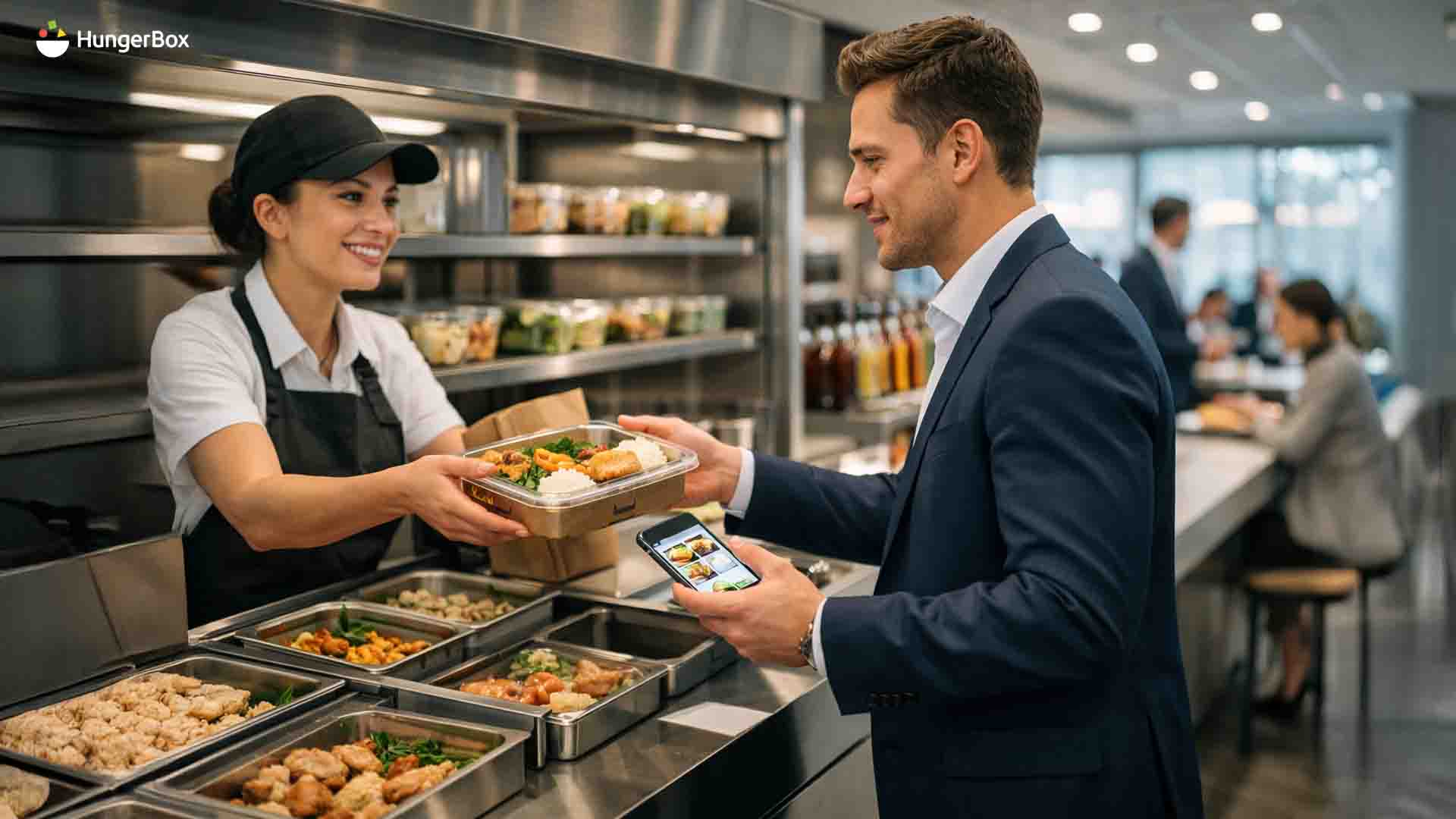
Office Meal Management Platforms: The Key to Efficient Corporate Cafeteria Operations
Office Meal Management is the structured approach to planning, ordering, delivering, and tracking meals within a workplace. It answers a common business need: how to provide employees with efficient, hygienic, and cost-controlled food services without operational complexity. In today’s corporate environment, Office Meal Management goes beyond just serving food—it ensures seamless dining experiences, reduces wait times, minimizes waste, and improves employee satisfaction.
With hybrid work models and rising employee expectations, organizations need smarter systems to manage cafeteria operations. This is where digital platforms come in. They automate everything from menu planning to vendor coordination and real-time feedback. As highlighted in modern cafeteria trends, companies are shifting from manual processes to tech-enabled solutions that streamline food operations and enhance workplace efficiency.
In simple terms, Office Meal Management platforms help companies deliver the right food, at the right time, with minimal effort—making corporate cafeterias more efficient and employee-friendly.
What is an Office Meal Management Platform?
An Office Meal Management platform is a digital solution designed to manage end-to-end cafeteria operations within corporate environments. It connects employees, vendors, and facility managers on a single system.
Key Functions
- Digital menu display and real-time updates
- Pre-ordering and slot-based meal scheduling
- Cashless payments and subsidy management
- Vendor coordination and performance tracking
- Feedback and analytics dashboards
These platforms replace manual systems with automation, ensuring smoother daily operations and better control over costs and quality.
Why Businesses Need Office Meal Management Systems
Rising Employee Expectations
Employees today expect convenience, variety, and speed. Long queues and limited choices reduce satisfaction and waste time.
Hybrid Work Challenges
Unpredictable office attendance makes it difficult to plan meals. Without data, companies often overproduce or under-serve.
Operational Inefficiencies
Manual processes lead to billing errors, food wastage, and lack of vendor accountability.
An Office Meal Management platform addresses all these challenges by bringing data, automation, and control into cafeteria operations.
Key Benefits of Office Meal Management Platforms
1. Streamlined Cafeteria Operations
Automation reduces manual work in ordering, billing, and reporting. Facility teams can manage multiple vendors and locations from one dashboard.
2. Reduced Food Waste
With real-time data and demand forecasting, companies prepare only what is needed. This leads to significant cost savings and supports sustainability goals.
3. Improved Employee Experience
Employees can:
- Pre-order meals
- Skip queues
- Choose based on dietary preferences
- Provide instant feedback
This creates a smoother and more satisfying dining experience.
4. Better Cost Control
Platforms provide detailed insights like cost-per-meal, vendor performance, and consumption trends. This helps businesses optimize budgets effectively.
5. Enhanced Hygiene and Compliance
Digital systems track hygiene standards, vendor audits, and food safety protocols—ensuring compliance with workplace regulations.
How Office Meal Management Improves Corporate Cafeteria Efficiency
Data-Driven Decision Making
Real-time analytics help managers understand:
- Peak dining hours
- Popular menu items
- Waste patterns
This allows quick adjustments to improve efficiency.
Smart Vendor Management
Companies can monitor vendor performance through ratings, service time, and quality metrics. Poor performance can be addressed instantly.
Inventory Optimization
Automated inventory tracking ensures better procurement planning and reduces spoilage.
Seamless Integration
Modern platforms integrate with HR systems, access cards, and payment tools—making cafeteria operations part of the overall workplace ecosystem.
Features to Look for in an Office Meal Management Platform
When choosing a solution, businesses should look for:
- Mobile-based ordering and contactless payments
- AI-driven demand forecasting
- Multi-vendor management
- Real-time reporting dashboards
- Integration with HRMS and payroll systems
- Hygiene and compliance tracking
These features ensure scalability and long-term efficiency.
The Role of Technology in Office Meal Management
Technology is transforming corporate dining into a smart, data-driven function.
AI and Predictive Analytics
AI helps forecast meal demand based on attendance patterns, reducing waste and improving planning.
Contactless Dining
QR-based menus and digital payments ensure hygiene and faster service.
Employee Personalization
Employees can filter meals based on:
- Calories
- Allergens
- Dietary preferences
This supports workplace wellness initiatives.
Office Meal Management and Employee Productivity
A well-managed cafeteria directly impacts productivity.
- Reduced wait times mean employees spend less time in queues
- Better food quality improves energy and focus
- Seamless experience enhances overall workplace satisfaction
Food is no longer just a facility—it’s part of employee experience strategy.
Why HungerBox is the Right Choice
HungerBox offers a comprehensive Office Meal Management solution tailored for enterprises. It helps organizations:
- Digitize cafeteria operations
- Improve employee dining experience
- Reduce operational costs
- Ensure hygiene and compliance
With advanced analytics and seamless integrations, HungerBox transforms cafeterias into efficient, scalable systems.
Ready to simplify your workplace dining?
Contact us today to explore how HungerBox can transform your cafeteria operations
Schedule a demo call and see the platform in action
Upgrade to smart corporate cafeteria management with HungerBox
Frequestly Asked Questions

Office Meal Management is a system that helps companies manage cafeteria operations, including ordering, billing, and vendor coordination through digital platforms.
It uses data to forecast demand, reduce food waste, optimize vendor performance, and eliminate manual errors.
Yes, it adapts to fluctuating attendance by enabling pre-ordering and demand-based meal planning.
Absolutely. These platforms are scalable and designed to manage multiple locations and vendors efficiently.
By offering faster service, personalized meal options, and seamless ordering, it makes dining convenient and enjoyable.