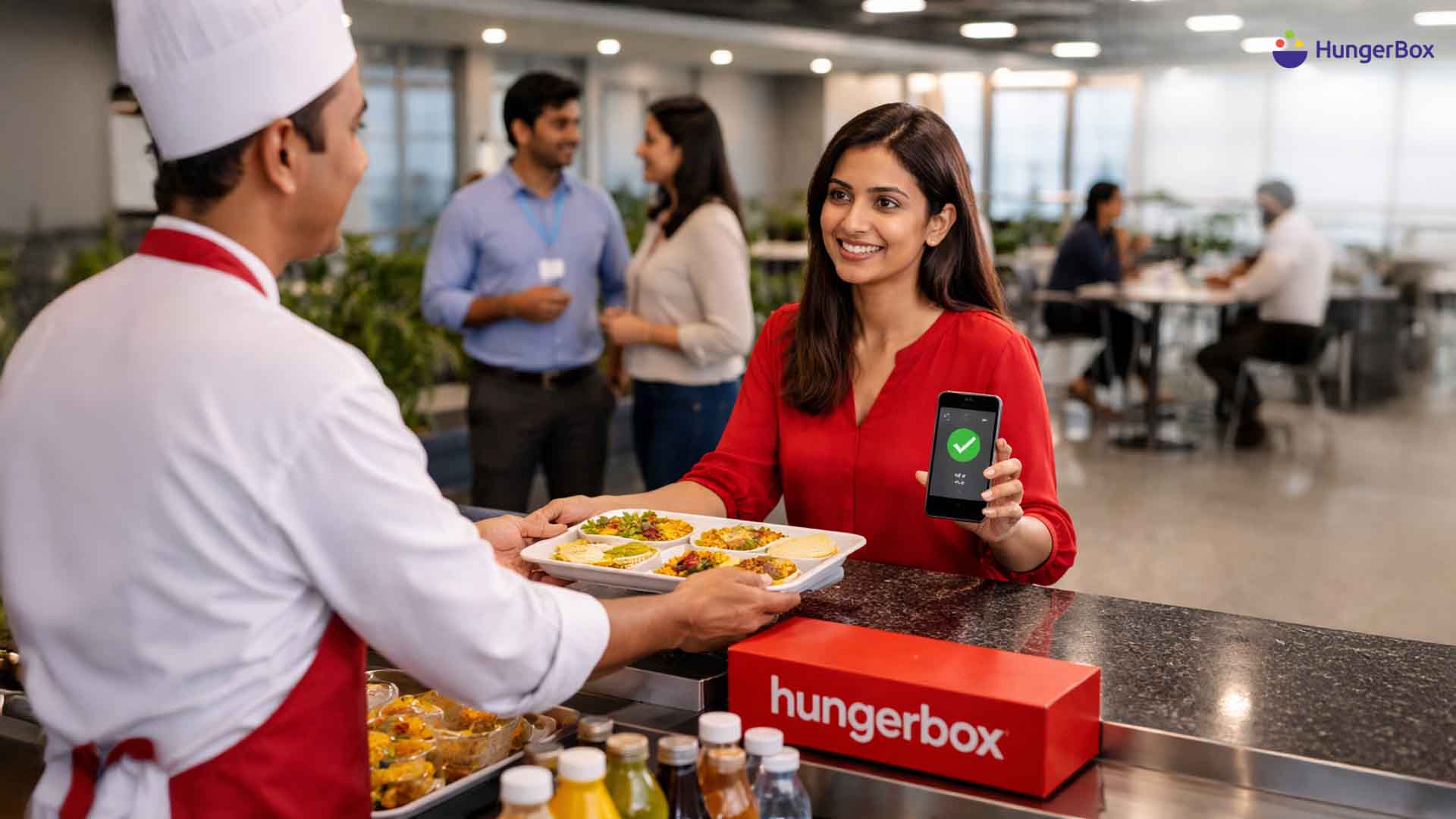
Why Enterprises Are Switching to Office Food Court Apps for Smarter Cafeteria Management
An Office Food Court is no longer just a place where employees grab a quick meal. Today, it is a digitally managed, employee-centric dining ecosystem that combines multiple food vendors, smart ordering systems, and data-driven operations in one platform. In simple terms, an Office Food Court uses technology to make workplace dining faster, more personalized, and efficient for both employees and facility managers.
Enterprises are increasingly adopting Office Food Court apps to solve common cafeteria challenges like long queues, food wastage, poor vendor coordination, and lack of real-time insights. With features such as mobile ordering, contactless payments, live menus, and analytics dashboards, companies can streamline operations while improving employee satisfaction.
As workplace expectations evolve, especially in hybrid environments, organizations are realizing that traditional cafeteria systems are outdated. A smart Office Food Court solution helps businesses deliver convenience, control costs, and enhance workplace experience—all at scale. This shift is not just about food; it’s about operational excellence and employee engagement.
What Is an Office Food Court App?
An Office Food Court app is a centralized digital platform that manages end-to-end cafeteria operations. It connects employees, vendors, and facility managers into a single system.
Key Features Include:
- Mobile-based food ordering
- Multi-vendor management
- Digital payments and subsidies
- Real-time menu updates
- Feedback and rating systems
- Data analytics dashboards
These features transform traditional cafeterias into smart workplace dining systems that are efficient and scalable.
Why Enterprises Are Moving to Office Food Court Apps
Eliminating Long Queues and Wait Times
One of the biggest pain points in any office cafeteria is waiting in line. Office Food Court apps enable:
- Pre-ordering meals
- Scheduled pickups
- Digital payments
This reduces congestion and saves valuable employee time, improving overall productivity.
Data-Driven Cafeteria Management
Modern enterprises rely on data to make decisions—and cafeterias are no exception.
With Office Food Court apps, companies can track:
- Meal consumption trends
- Peak dining hours
- Vendor performance
- Food wastage levels
As highlighted in HungerBox insights, data-driven cafeteria systems help optimize operations and reduce inefficiencies at scale
Improved Employee Experience
Today’s workforce expects convenience and personalization.
Office Food Court apps deliver:
- Customizable meal options
- Dietary filters (vegan, keto, gluten-free)
- Real-time menu visibility
- Faster service
This enhances daily workplace experience and contributes to employee satisfaction and retention.
Smarter Vendor and Inventory Management
Centralized Vendor Control
Managing multiple food vendors manually can be complex. With an Office Food Court system:
- Vendors are onboarded digitally
- Performance is tracked through ratings and SLAs
- Billing and reconciliation are automated
This ensures accountability and consistent food quality.
Real-Time Inventory Tracking
Food waste is a major concern in corporate cafeterias.
Office Food Court apps help by:
- Tracking inventory in real time
- Forecasting demand based on data
- Reducing overproduction
This leads to significant cost savings and supports sustainability goals.
Supporting Hybrid Workplaces
Hybrid work has made cafeteria demand unpredictable.
Office Food Court apps solve this by:
- Forecasting demand based on attendance
- Enabling pre-booked meal slots
- Adjusting vendor operations dynamically
This ensures that food supply matches actual demand, reducing waste and improving efficiency.
Enhancing Hygiene and Compliance
Post-pandemic, hygiene is a top priority.
Office Food Court platforms offer:
- Contactless ordering and payments
- Digital hygiene audits
- Vendor compliance tracking
- Allergen and ingredient transparency
These features help organizations meet health standards while building employee trust.
Cost Optimization and ROI
Reducing Operational Costs
Traditional cafeterias often lead to:
- Overstaffing
- Food wastage
- Manual billing errors
With Office Food Court apps, companies can:
- Automate processes
- Optimize staffing
- Reduce waste
Transparent Cost Analytics
Admins get access to:
- Cost-per-meal insights
- Vendor-wise spending
- Daily and monthly reports
This level of visibility helps organizations control budgets and improve ROI.
The Role of AI and Automation
Modern Office Food Court systems are powered by AI and automation.
Key Innovations:
- Predictive meal planning
- Smart demand forecasting
- Automated billing and reporting
- Chatbot-based ordering
These technologies make cafeteria management proactive rather than reactive.
Why HungerBox Leads in Office Food Court Solutions
HungerBox is at the forefront of transforming workplace dining through intelligent Office Food Court platforms.
With features like:
- Multi-vendor integration
- Real-time analytics
- Contactless dining
- Seamless payment systems
HungerBox helps enterprises create efficient, scalable, and employee-friendly cafeteria ecosystems.
Ready to transform your workplace dining experience?
Contact Us today: To explore how HungerBox can optimize your Office Food Court
Schedule a Demo Call: And see smart cafeteria management in action
Upgrade to a corporate cafeteria management solution that delivers efficiency, savings, and employee satisfaction
Frequestly Asked Questions

An Office Food Court system is a digital platform that manages workplace dining by integrating vendors, employees, and admins into one solution for seamless operations.
It uses real-time data and demand forecasting to ensure accurate meal preparation, minimizing overproduction and wastage.
Yes, they enable pre-ordering, attendance-based forecasting, and slot-based dining to adapt to fluctuating office attendance.
Employees get faster service, personalized meal options, contactless payments, and better overall dining experience.
It improves efficiency, reduces costs, enhances employee satisfaction, and provides actionable insights for better decision-making.