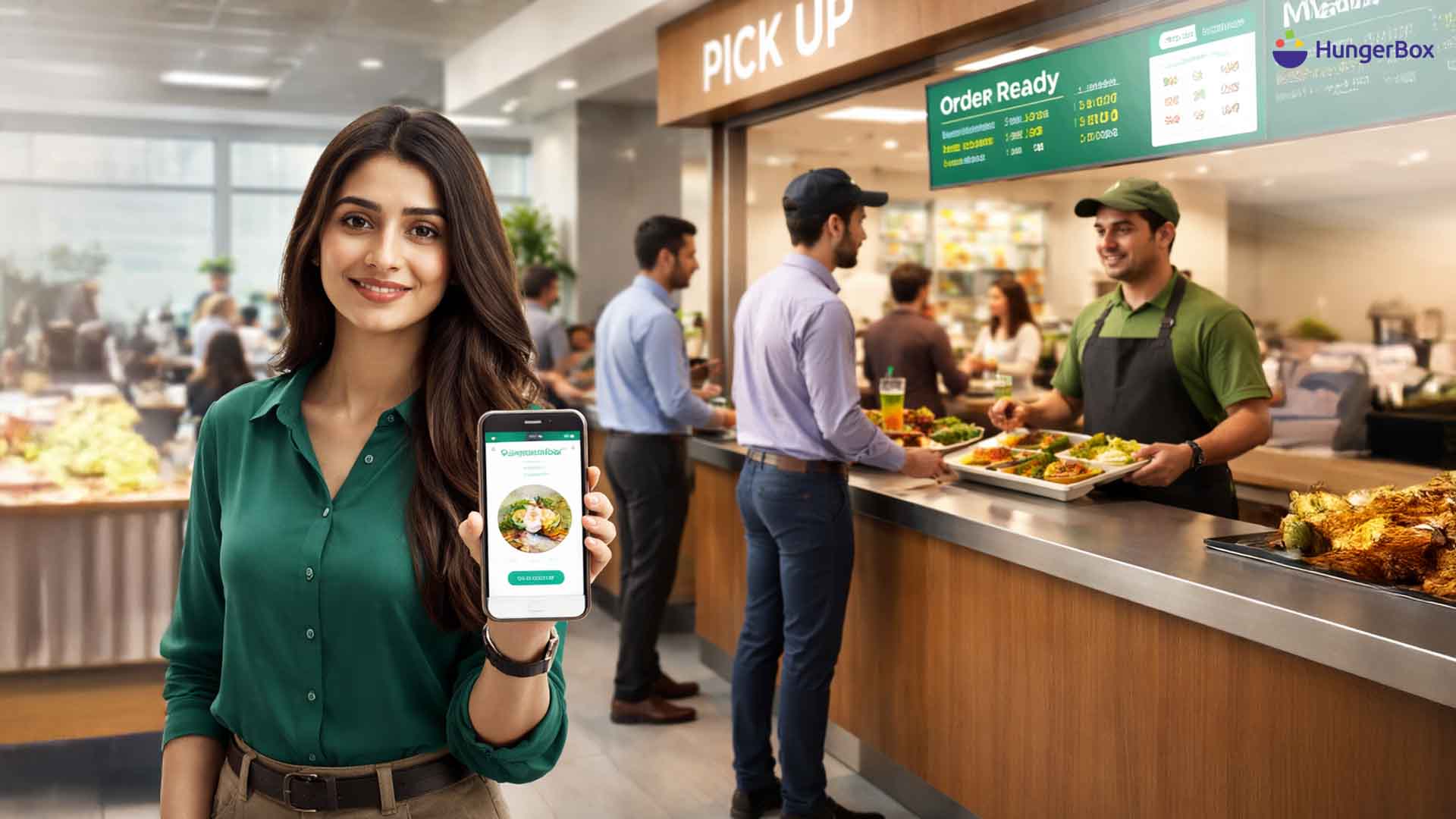
Digitalization Cafeteria Solutions: The Smart Way to Manage Corporate Office Meals
Corporate Office Meals refer to structured food programs provided by organizations to employees within the workplace. These meals are designed to improve employee convenience, productivity, and overall workplace experience. In today’s fast-paced corporate environment, businesses are moving beyond traditional cafeterias to adopt digital solutions that streamline meal management, reduce waste, and enhance employee satisfaction.
With hybrid work models, diverse dietary needs, and rising expectations, managing Corporate Office Meals manually is no longer effective. Companies now require smart, data-driven systems that enable pre-ordering, contactless payments, real-time menu updates, and efficient vendor management. Digital cafeteria solutions address these challenges by transforming workplace dining into a seamless, scalable, and employee-centric experience.
As highlighted in modern cafeteria trends, organizations are increasingly leveraging technology to optimize operations, improve hygiene standards, and deliver personalized meal experiences at scale . This shift marks the evolution of corporate dining from a basic facility to a strategic business function.
Corporate Cafeteria Management
The Shift from Traditional to Digital Corporate Office Meals
Limitations of Traditional Cafeterias
Traditional corporate cafeterias often face challenges such as:
- Long queues during peak hours
- Manual billing errors
- Lack of menu transparency
- Poor vendor coordination
- High food wastage
These inefficiencies directly impact employee productivity and satisfaction.
Rise of Digital Cafeteria Solutions
Digital cafeteria platforms bring automation into every stage of meal management. From ordering to feedback, everything is managed through a centralized system, making Corporate Office Meals more efficient and scalable.
Key Benefits of Digitalizing Corporate Office Meals
1. Seamless Employee Experience
Digital solutions allow employees to:
- Pre-order meals
- Choose time slots for pickup
- Access live menus
- Make contactless payments
This eliminates waiting time and improves convenience.
2. Data-Driven Decision Making
Modern cafeteria platforms provide real-time insights such as:
- Meal consumption trends
- Popular dishes
- Peak dining hours
These insights help organizations optimize menus and reduce operational costs.
3. Improved Vendor Management
With digital tools, companies can:
- Track vendor performance
- Monitor service quality
- Ensure SLA compliance
This leads to better food quality and accountability.
How Digital Solutions Improve Corporate Cafeteria Management
Real-Time Inventory and Waste Control
Digital systems track food consumption and inventory automatically. This helps:
- Reduce overproduction
- Minimize food waste
- Optimize procurement
Contactless and Hygienic Dining
Post-pandemic, hygiene is critical. Digital Corporate Office Meals systems enable:
- QR-based menus
- Touchless payments
- Digital hygiene audits
Personalized Meal Options
Employees can filter meals based on:
- Dietary preferences (vegan, keto, etc.)
- Allergies
- Calorie intake
This enhances employee wellness and satisfaction.
Supporting Hybrid Workplaces with Smart Meal Solutions
Hybrid work has made cafeteria demand unpredictable. Digital systems solve this by:
- Forecasting meal demand using attendance data
- Enabling pre-booked meal slots
- Adjusting food preparation dynamically
This ensures that Corporate Office Meals remain efficient regardless of fluctuating office attendance.
Integration with Corporate Systems
HR and Payroll Integration
Digital cafeteria platforms can integrate with:
- HRMS systems
- Payroll
- Employee benefits programs
This allows automated subsidies and meal allowances.
Access Control Integration
Systems can connect with ID cards or biometric access, enabling:
- Secure entry
- Automated meal deductions
Usage tracking
Sustainability and Cost Optimization
Reducing Food Waste
With predictive analytics, organizations can align food production with actual demand, reducing waste significantly.
Cost Transparency
Digital dashboards provide:
- Cost-per-meal insights
- Budget tracking
- Vendor cost analysis
This helps companies control expenses and improve ROI.
Future Trends in Corporate Office Meals
The future of Corporate Office Meals will be driven by:
- AI-based meal forecasting
- Chatbot-based ordering
- Smart vending systems
- ESG-focused reporting
Companies adopting digital cafeteria solutions today are better prepared for these advancements.
Why Choose HungerBox for Corporate Cafeteria Management
HungerBox offers a comprehensive platform for managing Corporate Office Meals with features like:
- Multi-vendor management
- Real-time analytics
- Contactless dining solutions
- Seamless integrations
Transform your workplace dining experience today.
See how digital cafeteria solutions work in real-time.
Book a demo now and explore smarter Corporate Office Meals management.
Upgrade your cafeteria with a scalable, tech-driven solution tailored for enterprises.
Frequestly Asked Questions

Corporate Office Meals are structured meal programs provided by companies to employees, often managed through cafeteria systems or digital platforms.
They streamline ordering, reduce queues, enable contactless payments, and provide data insights for better management.
Yes, they use real-time data and forecasting to align food production with demand, minimizing waste.
Absolutely. They help manage fluctuating attendance through pre-ordering and demand forecasting.
It improves employee satisfaction, boosts productivity, ensures compliance, and reduces operational costs.