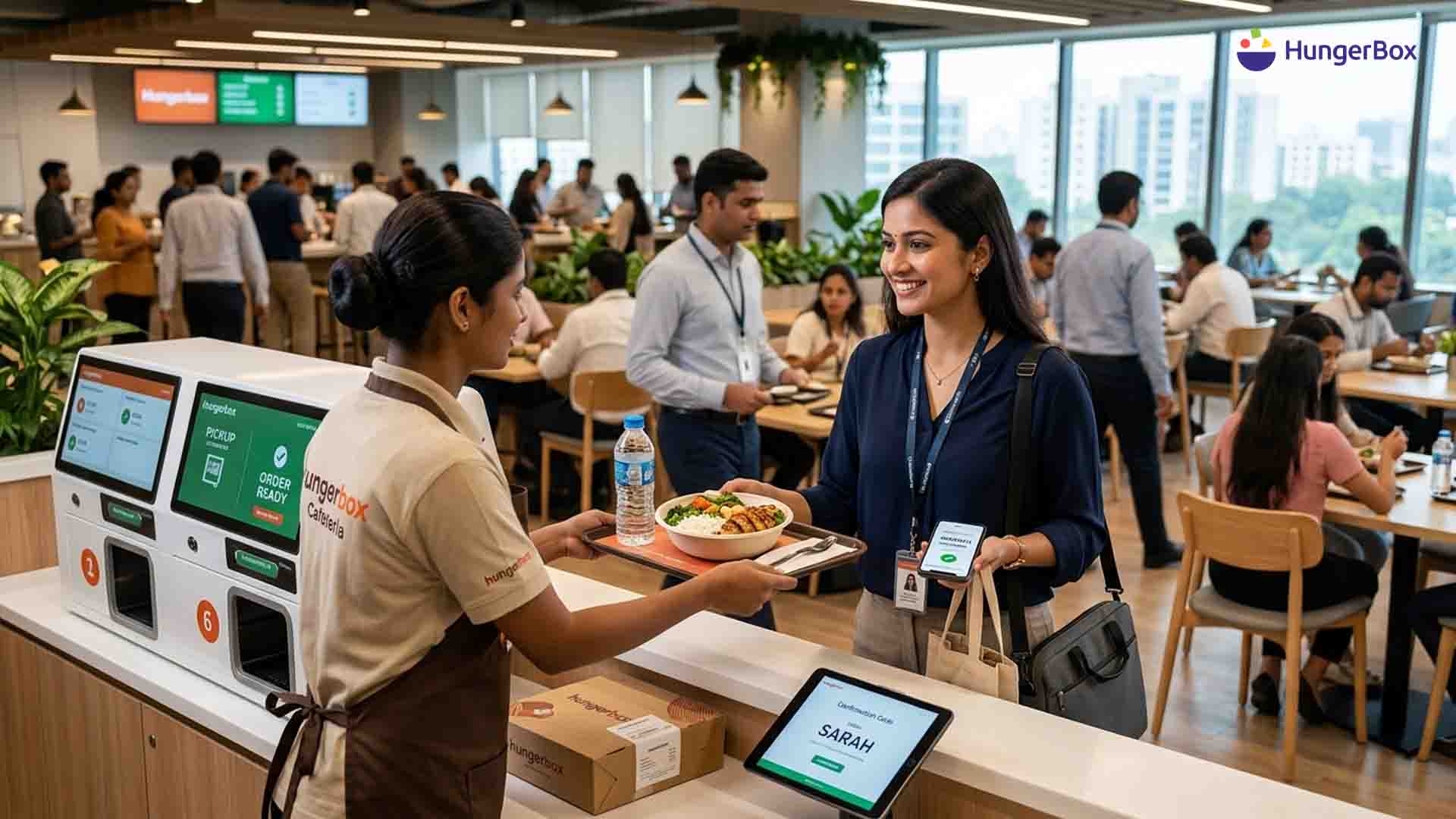
The Future of Office Dining: How Office Food Court Management Platforms Improve Workplace Efficiency
Why Office Meal Management Matters in a Modern Office Food Court
In modern workplaces, Office Meal Management has become a critical part of employee experience and operational efficiency. An Office Food Court is no longer just a place where employees grab lunch—it is now a structured system that supports productivity, wellness, and workplace satisfaction.
Companies with large campuses or corporate offices often struggle with common food service challenges such as long queues, limited menu choices, food wastage, and poor vendor coordination. Without a proper system in place, managing an office food court becomes complex for facility managers and frustrating for employees.
This is where Office Meal Management platforms come into play. These digital solutions streamline cafeteria operations through features like pre-ordering, digital menus, vendor management, analytics, and cashless payments. By using smart cafeteria technology, organizations can transform a traditional office food court into a data-driven dining ecosystem that saves time, reduces operational costs, and improves employee satisfaction.
With platforms like HungerBox, companies can manage food vendors, track consumption patterns, and deliver a seamless dining experience across multiple offices and campuses. The result is a smarter, faster, and more efficient workplace dining environment.
Why Office Food Court Management Platforms Are the Future of Workplace Dining
Workplace cafeterias are evolving rapidly as companies focus more on employee experience and operational efficiency. Traditional cafeteria setups are difficult to scale and manage. Digital Office Meal Management systems bring structure, automation, and visibility to food operations.
Organizations that adopt office food court platforms benefit from improved efficiency, faster service, and better food quality monitoring.
Challenges in Traditional Office Food Courts
Before digital solutions, managing an office food court involved manual processes and limited visibility. Some common challenges include:
Long Queues and Slow Service
Employees often spend a large portion of their lunch break waiting in line to order or pay for meals. This reduces productivity and creates unnecessary congestion in cafeteria areas.
Limited Menu Visibility
Employees typically do not know what meals are available until they reach the counter. This creates confusion and slows down ordering decisions.
Poor Vendor Coordination
Large office food courts often host multiple vendors. Without digital tools, tracking vendor performance, food quality, and service speed becomes difficult.
Food Waste and Inventory Issues
When vendors prepare meals based on guesswork rather than demand data, excess food is wasted and costs increase.
These challenges highlight the need for smart Office Meal Management platforms.
How Office Meal Management Platforms Improve Workplace Efficiency
Digital cafeteria systems transform traditional office food courts into intelligent, data-driven food service environments.
Pre-Ordering and Queue Management
Employees can view menus and pre-order meals through a mobile app or web interface. This significantly reduces wait times and eliminates long queues during peak hours.
Digital Menu and Dietary Filters
Employees can see real-time menus, ingredient details, and nutritional information before ordering. This helps them make better food choices while supporting dietary preferences like vegetarian, vegan, or low-calorie meals.
Multi-Vendor Management
Office food courts often have several food vendors. Office Meal Management platforms help administrators track vendor performance, food quality, and service speed through centralized dashboards.
Cashless and Contactless Payments
Digital wallets and integrated payment systems eliminate the need for cash handling. Employees can pay quickly using corporate meal wallets, cards, or mobile payments.
Real-Time Analytics and Reporting
Facility managers gain valuable insights such as:
- Popular menu items
- Peak dining hours
- Vendor performance
- Food consumption trends
These insights help organizations improve menu planning and reduce waste.
Benefits of Smart Office Food Court Management
When companies implement a digital Office Meal Management system, they gain multiple operational and employee benefits.
Improved Employee Experience
Employees enjoy faster service, better food options, and a convenient dining experience.
Reduced Food Waste
Data-driven demand forecasting helps vendors prepare the right quantity of food.
Operational Efficiency
Automation reduces manual tasks like billing, reporting, and vendor coordination.
Cost Optimization
Detailed analytics allow organizations to control subsidies, manage vendor contracts, and reduce food wastage.
Enhanced Hygiene and Compliance
Digital systems allow hygiene tracking, feedback monitoring, and vendor compliance management.
These improvements make office food courts more efficient and scalable.
Why Companies Choose HungerBox for Office Meal Management
HungerBox provides an end-to-end platform designed specifically for corporate cafeteria management and large workplace food courts.
With HungerBox, organizations can:
- Manage multiple food vendors from a single dashboard
- Enable mobile-based meal ordering and payments
- Monitor vendor hygiene and food quality
- Reduce food wastage using real-time analytics
- Improve employee dining experiences across locations
The platform is built for large corporate campuses, technology parks, and enterprise workplaces that require scalable cafeteria solutions.
The Future of Office Dining
The future of office dining is moving toward smart, automated food ecosystems. Modern workplaces are adopting technologies such as:
- AI-powered demand forecasting
- Personalized meal recommendations
- Digital food wallets and employee meal benefits
- Contactless food ordering and pickup systems
These innovations are turning office food courts into intelligent dining spaces that support productivity and workplace wellness.
Organizations that adopt Office Meal Management platforms today are preparing their workplaces for the next generation of employee dining.
Transform Your Workplace Dining Experience
A well-managed office food court improves productivity, employee satisfaction, and operational efficiency. With the right Office Meal Management platform, organizations can simplify food operations while delivering a seamless dining experience.
Ready to upgrade your workplace dining?
Contact HungerBox today to discover how smart cafeteria technology can transform your office food court.
Schedule a demo call to see how HungerBox helps enterprises manage vendors, reduce food waste, and enhance employee dining experiences.
Explore our Corporate Cafeteria Management solutions and build a smarter, more efficient workplace food ecosystem.