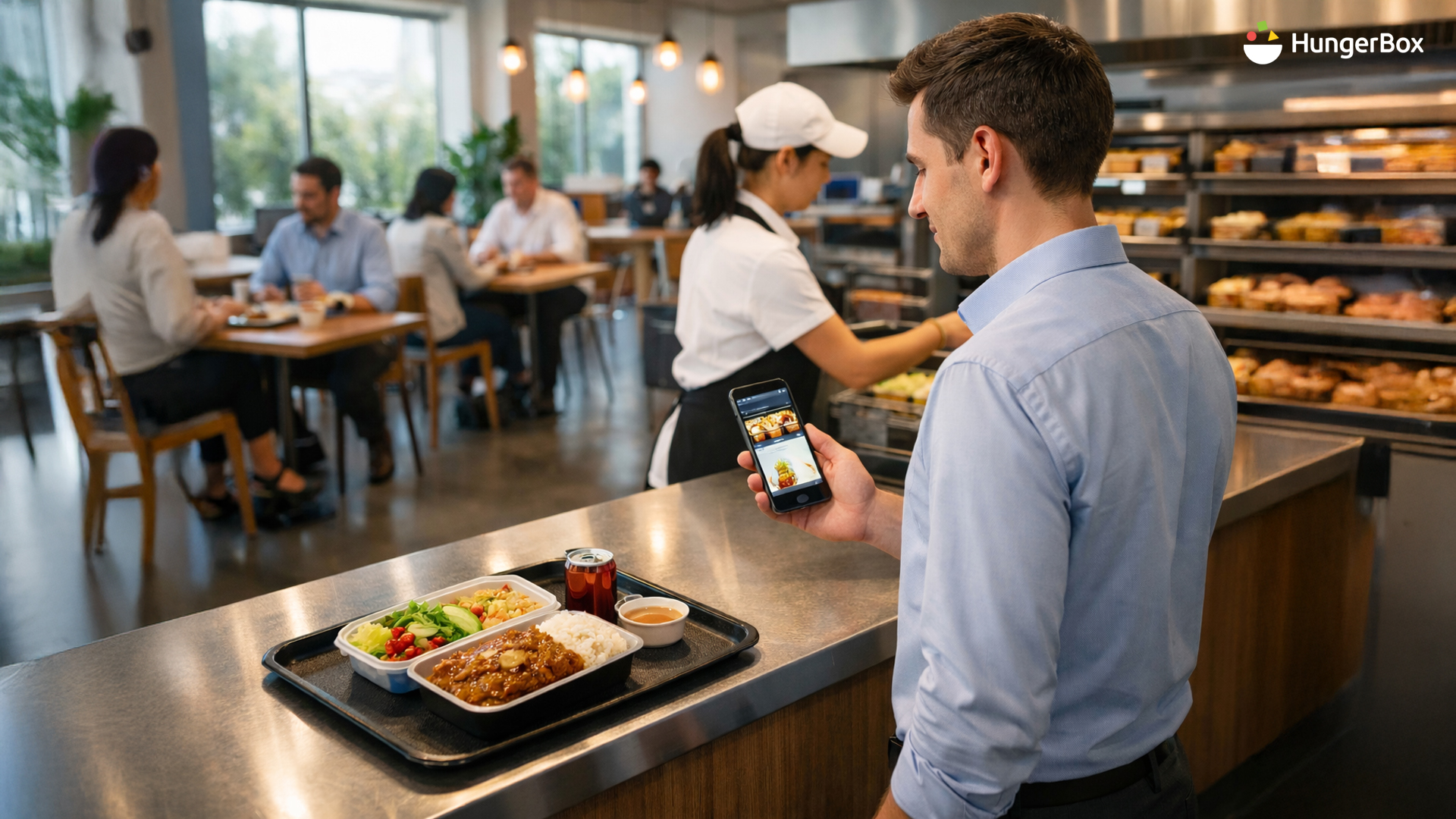
Office Meal Management Made Easy: The Role of Corporate Cafeteria Solutions
Office Meal Management refers to the organized system of planning, ordering, delivering, and monitoring meals within a workplace. In simple terms, it helps companies ensure employees get convenient, healthy, and timely meals while the organization maintains control over food operations, costs, and vendor coordination.
As workplaces grow larger and employee expectations evolve, managing food services manually becomes inefficient. Long queues, limited menu visibility, inconsistent vendor quality, and food wastage are common problems in traditional cafeterias. That is why many companies are adopting workplace meal management systems and corporate cafeteria management platforms to simplify operations.
A modern office meal management solution allows employees to browse menus, pre-order meals, pay digitally, and provide feedback in real time. At the same time, facility managers gain access to analytics, vendor tracking, and inventory insights. With the help of workplace cafeteria software, organizations can improve employee experience, reduce operational complexity, and make dining services smarter and more efficient.
This is where corporate cafeteria solutions like Hungerbox play a key role. By digitizing workplace dining, businesses can transform cafeterias into streamlined, data-driven systems that support productivity, wellness, and operational efficiency.
Why Office Meal Management Matters for Modern Workplaces
In today’s fast-paced corporate environment, employee time and convenience matter. Efficient office food service management ensures that employees spend less time waiting for meals and more time focusing on work.
Companies that invest in structured employee meal management software experience several benefits:
- Faster meal ordering and reduced queues
- Better coordination between vendors and facility teams
- Improved food quality and hygiene monitoring
- Lower food waste through demand forecasting
- Higher employee satisfaction and engagement
A well-managed employee dining management system helps companies create a workplace that values employee well-being while keeping cafeteria operations organized.
Common Challenges in Traditional Office Meal Management
Long Queues and Limited Meal Choices
- Manual cafeterias often struggle during peak hours. Employees spend valuable break time waiting in line, and vendors may run out of popular meals.
Lack of Vendor Transparency
- Without digital tracking, it is difficult for administrators to evaluate vendor performance, hygiene compliance, and food quality.
Food Waste and Inventory Issues
- Preparing meals based on guesswork leads to excess production and unnecessary waste. A lack of data makes it hard to predict daily demand.
Difficulty Managing Multiple Locations
- Large organizations with multiple offices face additional complexity when coordinating corporate meal planning solutions across different cafeterias.
These challenges highlight the need for a smarter and more structured office lunch management system.
How Corporate Cafeteria Solutions Simplify Office Meal Management
Digital Meal Ordering
Employees can browse menus, filter dietary options, and pre-order meals through a mobile app or kiosk. This improves convenience and reduces queue times.
Smart Vendor Management
With corporate cafeteria management software, facility teams can track vendor performance, service speed, and employee feedback.
This ensures consistent food quality and better accountability.
Real-Time Analytics and Reporting
A modern workplace meal management system provides insights into:
- Daily meal consumption
- Popular dishes
- Peak dining hours
- Vendor performance
These insights help organizations optimize menus and reduce waste.
Cashless Payments and Subsidy Control
Digital payment systems simplify transactions and allow companies to apply meal subsidies automatically. This improves transparency and financial control.
Benefits of Workplace Cafeteria Software for Enterprises
Improved Employee Experience
Employees enjoy faster service, greater menu visibility, and personalized meal options.
Reduced Operational Complexity
Automation removes manual processes such as billing, vendor coordination, and meal tracking.
Data-Driven Decision Making
Analytics help facility managers improve menu planning, reduce costs, and enhance cafeteria efficiency.
Support for Employee Wellness
Digital menus allow employees to see calorie counts, ingredients, and dietary tags, helping them make healthier choices.
The Future of Office Meal Management
Workplace dining is evolving rapidly with the help of technology. Modern corporate food ordering platforms are introducing features such as:
- AI-based meal recommendations
- Contactless ordering and pickup
- Real-time food waste tracking
- Integrated wellness programs
As companies continue to prioritize employee experience and operational efficiency, smart office cafeteria solutions will become an essential part of workplace infrastructure.
Organizations that adopt digital office meal management systems today will be better prepared to manage growing teams, hybrid work models, and evolving employee expectations.
Transform Your Workplace Dining with Hungerbox
Managing workplace food services does not have to be complex. With Hungerbox corporate cafeteria management solutions, companies can automate meal ordering, improve vendor coordination, and gain real-time insights into cafeteria operations.
Whether you manage a single office cafeteria or multiple locations, Hungerbox helps simplify office meal management and deliver a seamless dining experience for employees.
Ready to modernize your workplace cafeteria?
Discover how Hungerbox can help you build a smarter and more efficient corporate cafeteria management system.
Frequestly Asked Questions

Office meal management is the process of organizing, ordering, and monitoring food services within a workplace using structured systems or software platforms.
Companies use corporate cafeteria solutions to improve efficiency, reduce food waste, manage vendors, and enhance employee dining experiences.
Workplace meal management software allows employees to browse menus, pre-order meals, make digital payments, and provide feedback while administrators manage vendors and track analytics.
Yes. By analyzing consumption patterns and predicting demand, digital systems help companies prepare the right amount of food and minimize waste.
Yes. Enterprise cafeteria platforms can manage multiple vendors, locations, and thousands of employees while providing centralized reporting and control.