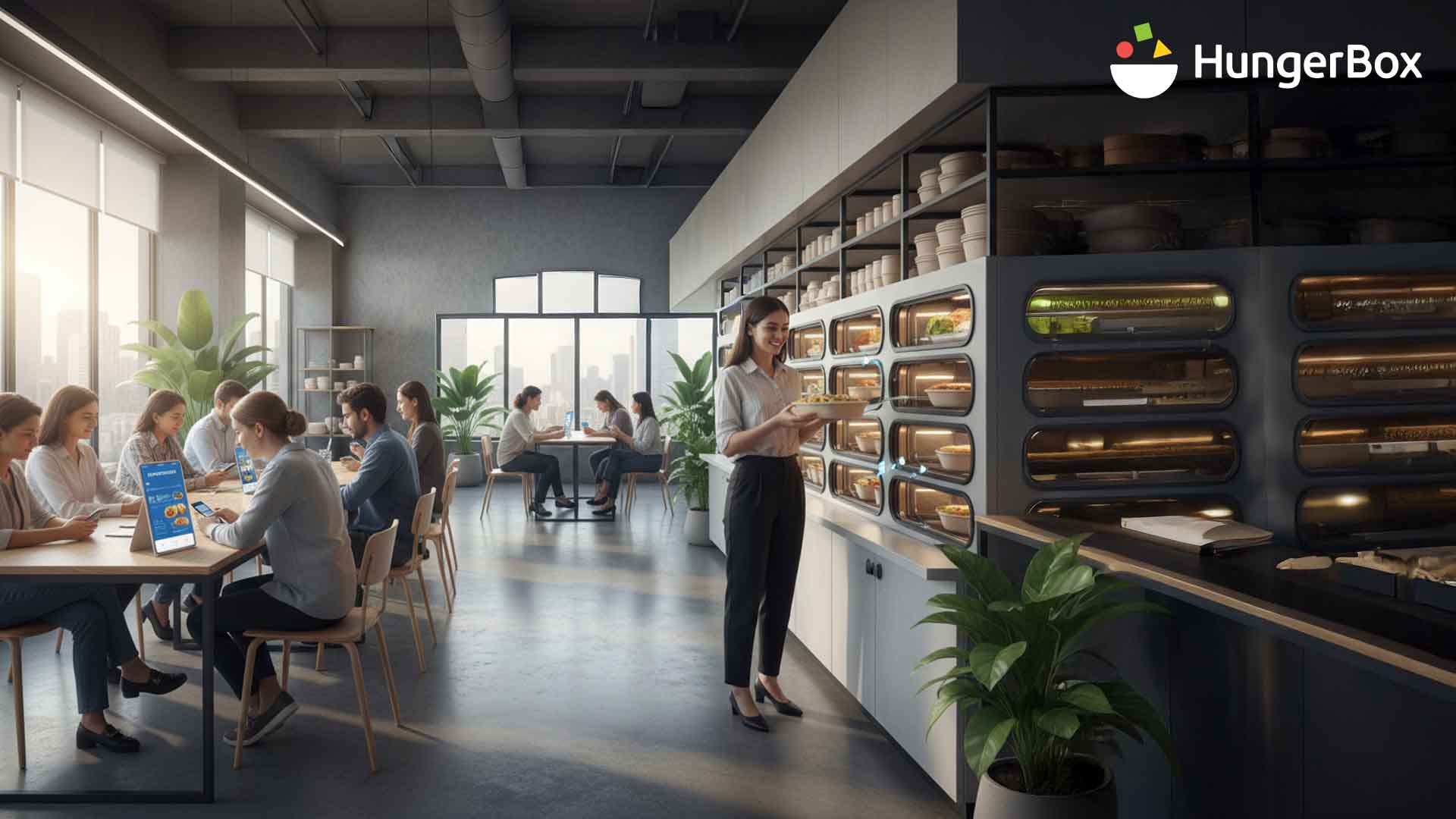
Can Smart Cafeteria Management Systems Help Reduce High Food Wastage in Workplaces?
Food waste is one of the most persistent challenges faced by modern workplaces. As organizations strive to improve efficiency, employee experience, and sustainability metrics, Reduce High Food Wastage in Workplaces has become a priority for facility managers and corporate leaders. Yet, despite best efforts, many corporate cafeterias continue to struggle with overproduction, inaccurate demand prediction, inefficient vendor management, and a lack of real-time visibility.
The result? High food wastage, increased operational costs, low sustainability scores, and a dining experience that fails to meet employee expectations.
In this blog, we’ll explore why workplaces face this problem and how Smart Cafeteria Management Systems offer a practical, technology-led solution to reduce high food wastage.
Understanding the Root Causes of High Food Wastage in Workplaces
Inaccurate Demand Forecasting
Without digital insights, cafeterias often depend on guesswork while preparing meals. This leads to overproduction on some days and underproduction on others. Hybrid work culture further increases unpredictability.
Inefficient Vendor Coordination
Corporate cafeterias usually manage multiple vendors. When operations are manual, planning becomes siloed. Vendors do not have access to real-time consumption trends, causing mismatch between expected and actual demand.
Menu Planning Misalignment
Menus that don’t match employee preferences or dietary needs result in low selection of certain dishes, leading to unnecessary food waste.
Lack of Inventory Visibility
Without digital tracking, ingredients expire or stay unused due to poor stock monitoring. This contributes significantly to workplace food waste.
Hybrid Workforce Impact
Footfall varies drastically throughout the week. With no real-time attendance or pre-order data, vendors prepare the same quantities daily, increasing food wastage during low-attendance days.
How Smart Cafeteria Management Systems Help Reduce High Food Wastage in Workplaces
Smart cafeteria systems bring structure, automation, and data intelligence into workplace food programs. These digital platforms streamline cafeteria workflows and empower teams to make decisions rooted in data, not assumptions.
Explore end-to-end cafeteria solutions here
Accurate Demand Forecasting with Data Insights
Smart systems use live attendance data, meal patterns, time-of-day preferences, and order history to predict demand. This results in:
- Better meal preparation planning
- Reduced overproduction
- Lower operational wastage
Pre-Ordering Improves Visibility
When employees pre-order their meals via the cafeteria app, vendors gain real-time clarity on what needs to be prepared. This simple digital step dramatically reduces food waste caused by guess-based cooking.
Real-Time Inventory Management
Digital cafeteria systems automatically sync inventory with sales and usage. Vendors can:
- Track ingredient movement
- Avoid overstocking
- Plan procurement based on accurate consumption
- Reduce spoilage and expired raw material
Smarter Menu Optimization
Data insights reveal:
- Most-preferred dishes
- Lowest-performing menu items
- Dietary patterns
- Popular combos and cuisines
This helps create menus that are aligned with employee demand, reducing wastage and improving satisfaction.
Vendor Accountability and SLA Tracking
Smart cafeteria dashboards help facility managers monitor:
- Prep accuracy
- Food wastage patterns
- Hygiene scores
- Customer feedback
- Time-to-serve metrics
This ensures vendors stay responsible, efficient, and waste-conscious.
Slot-Based Meal Pickup to Manage Crowd Flow
With meal slot booking, employees arrive in waves instead of crowding at a single peak hour. This enables vendors to stagger preparation and portioning, reducing leftover food.
Waste Analytics & ESG Reporting
Digital reports provide:
- Daily and weekly food wastage metrics
- Most wasted dishes
- Ingredient-level wastage
- Cross-vendor wastage comparison
These insights support sustainability audits and corporate ESG commitments.
Why Reducing High Food Wastage in Workplaces Matters
Reducing food wastage is more than just an operational priority—it’s a business, financial, and environmental requirement.
Cost Reduction
Less waste directly translates into savings across:
- Raw material procurement
- Vendor manpower
- Storage and refrigeration
- Disposal and logistics
Better Dining Experience
When vendors prepare accurate quantities, food:
- Stays fresh
- Remains high quality
- Is consistently available
Improved Sustainability Performance
Corporates aiming for ESG targets gain credible reporting and actionable improvements.
Efficient Vendor Management
Transparent data helps identify high and low performers, resulting in stronger vendor partnerships.
Smarter Multi-Location Operations
Digital cafeteria systems unify processes across campuses, ensuring consistent food quality and lower wastage everywhere.
The Future of Workplace Cafeterias: Automated, Data-Led & Sustainable
Workplaces are evolving. Employees expect smarter services, including dining. Businesses want cost-efficient and sustainable cafeteria operations. Smart cafeteria management systems bring both benefits together.
With features like AI-based forecasting, real-time insights, contactless ordering, and digital vendor evaluation, organizations can confidently work toward Reduce High Food Wastage in Workplaces while boosting employee experience and operational efficiency.
Learn more about how HungerBox powers next-gen cafeteria experiences:
Want to Reduce High Food Wastage in Your Workplace?
Speak to our team and explore a tailored solution for your cafeteria
See how digital cafeteria management helps cut waste and improve performance.
Frequestly Asked Questions

Smart cafeteria systems use real-time data, employee pre-orders, and AI-driven forecasting to accurately estimate meal demand. This eliminates guess-based cooking and significantly reduces high food wastage in workplaces by ensuring vendors prepare only what is needed.
Food wastage in workplaces typically occurs due to inaccurate demand forecasting, inefficient vendor coordination, poor inventory management, and menu options that do not match employee preferences. Digital cafeteria systems help address these issues systematically.
Yes. Pre-ordering gives vendors a clear picture of upcoming demand, allowing them to plan portions precisely. This helps reduce overproduction and supports companies aiming to reduce high food wastage in workplaces.
Digital systems track stock levels automatically, helping vendors avoid overstocking and preventing raw materials from expiring. Real-time inventory visibility ensures accurate purchasing and significantly reduces food waste at workplaces.
Smart cafeteria platforms provide waste analytics, track consumption patterns, and highlight waste-heavy menu items. This helps companies reduce high food wastage in workplaces, generate sustainability reports, and meet ESG commitments with measurable data.