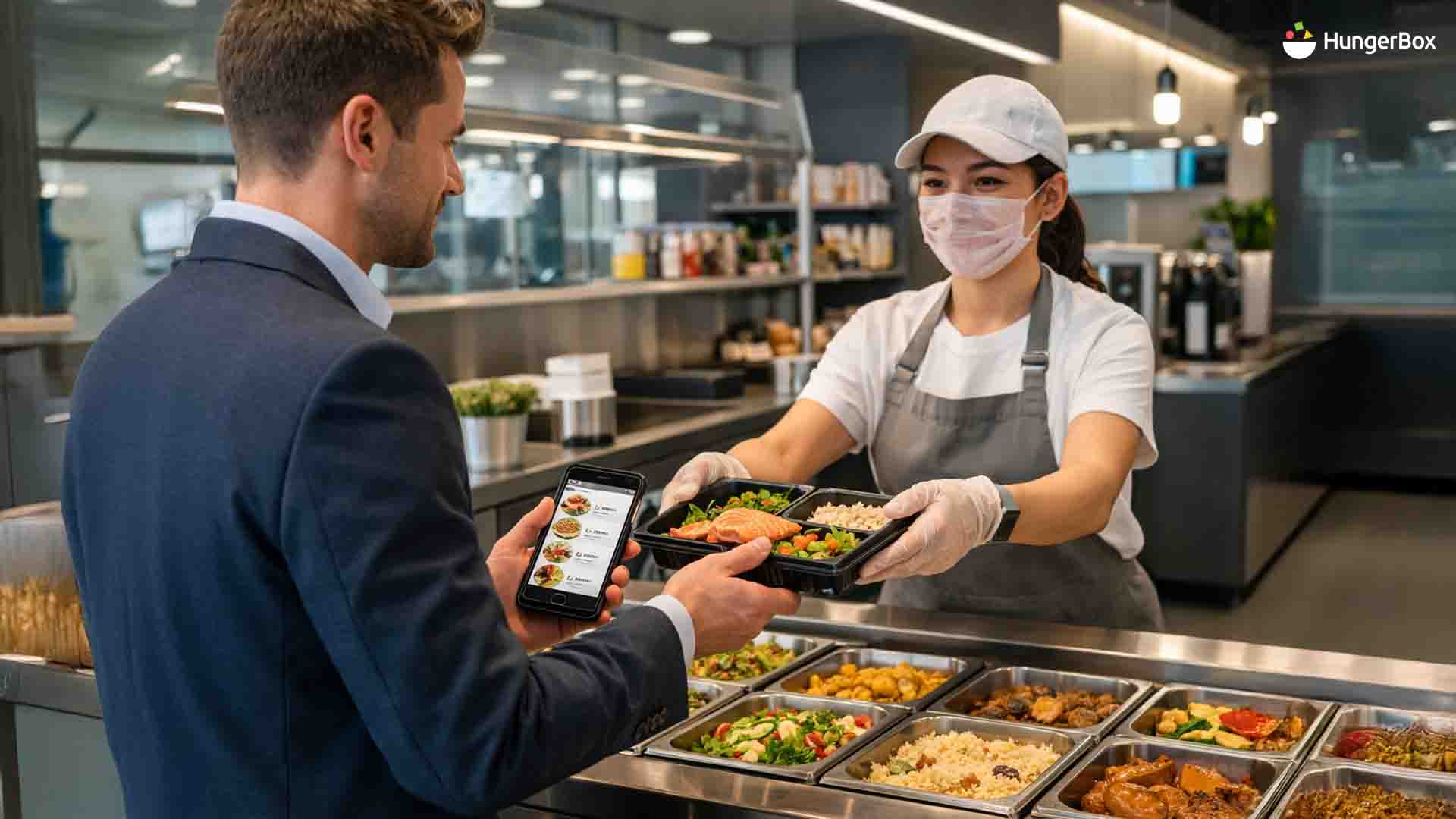
Office Food Court Management in 2026: Why Digital Cafeteria Solutions Are Essential
An Office Food Court is no longer just a place where employees grab meals—it has become a critical part of workplace experience, productivity, and employee satisfaction. In simple terms, an office food court is a centralized dining space within corporate campuses that offers multiple food options, vendors, and services tailored to employee needs.
In 2026, the expectations from an office food court have evolved significantly. Employees now look for speed, convenience, hygiene, personalization, and digital ease in their daily meals. Traditional food courts, driven by manual processes, often struggle with long queues, food wastage, inconsistent quality, and lack of transparency.
This is where digital cafeteria solutions come in. They transform office food courts into smart, data-driven ecosystems that streamline operations, improve employee experience, and reduce costs. As highlighted in modern workplace dining trends, digital systems are no longer optional—they are essential for scaling food operations efficiently and meeting modern workforce expectations .
corporate cafeteria management
What Is Office Food Court Management?
Office food court management refers to the planning, operation, and optimization of workplace dining services across vendors, employees, and administrators.
Key Components of Office Food Court Management
- Multi-vendor coordination
- Menu planning and food quality control
- Billing and subsidy management
- Hygiene and compliance tracking
- Employee feedback and satisfaction
Without digital support, managing these elements becomes complex, especially in large organizations.
Why Traditional Office Food Courts Are Failing
1. Long Queues and Poor Experience
Employees waste valuable time standing in queues, reducing productivity and causing frustration.
2. Lack of Data Visibility
Manual systems do not provide insights into food consumption, preferences, or wastage.
3. Inefficient Vendor Management
Tracking vendor performance, hygiene, and service quality becomes difficult without centralized systems.
4. High Food Wastage
Without demand forecasting, overproduction leads to unnecessary waste and cost leakage.
The Rise of Digital Cafeteria Solutions
Digital cafeteria solutions are transforming how office food courts operate. They bring automation, real-time data, and user-friendly interfaces into the dining experience.
What Makes Digital Cafeteria Solutions Essential in 2026?
Smart Ordering and Queue Management
- Employees can pre-order meals and select pickup slots, eliminating long wait times.
Real-Time Data and Analytics
- Facility managers can track consumption trends, peak hours, and food preferences to make better decisions.
Contactless and Secure Payments
- Digital wallets, UPI, and ID-based payments ensure faster and safer transactions.
Vendor Performance Tracking
- Admins can monitor vendor ratings, service speed, and hygiene compliance in real time.
Key Benefits of Digital Office Food Court Management
Enhanced Employee Experience
Faster Service and Convenience
- Digital ordering reduces waiting time and allows employees to plan meals efficiently.
Personalized Food Choices
- Employees can filter meals based on dietary preferences like vegan, low-calorie, or gluten-free.
Data-Driven Decision Making
Digital platforms provide actionable insights such as:
- Most popular meals
- Peak dining hours
- Vendor performance metrics
- Food wastage trends
These insights help organizations optimize operations and reduce costs.
Improved Hygiene and Compliance
Post-pandemic, hygiene is a priority. Digital systems enable:
- Contactless ordering
- Digital hygiene audits
- Real-time feedback tracking
This ensures compliance with food safety standards and builds employee trust.
Cost Optimization and Waste Reduction
With predictive analytics, companies can:
- Reduce overproduction
- Optimize inventory
- Control subsidies
- Track cost-per-meal
This directly improves ROI and aligns with sustainability goals.
Office Food Court Trends in 2026
AI-Based Meal Forecasting
AI predicts demand based on attendance, weather, and past data, reducing waste and improving efficiency.
Integration with Workplace Systems
Modern food courts integrate with HRMS, access cards, and wellness apps for a seamless experience.
Focus on Sustainability
Companies are using digital tools to track food waste and support ESG initiatives.
How HungerBox Transforms Office Food Courts
HungerBox offers a complete corporate cafeteria management platform that digitizes end-to-end food operations.
Key Capabilities
- Multi-vendor management on a single dashboard
- Pre-ordering and slot-based meal pickup
- Real-time analytics and reporting
- Digital payments and subsidy automation
- Hygiene and compliance tracking
This enables organizations to create a smart, scalable, and employee-friendly office food court.
Why Businesses Must Act Now
The shift to digital is not a future trend—it is already happening. Companies that continue with manual systems risk:
- Lower employee satisfaction
- Higher operational costs
- Poor vendor accountability
- Increased food wastage
Digital cafeteria solutions provide a competitive advantage by improving both employee experience and operational efficiency.
Ready to transform your Office Food Court into a smart, efficient, and employee-first experience?
Contact us today to explore tailored solutions
Schedule a demo call to see HungerBox in action
Upgrade your corporate cafeteria management with a future-ready platform
Frequestly Asked Questions

An office food court is a centralized dining space within workplaces offering multiple food vendors and meal options for employees.
It improves efficiency, reduces queues, enables data-driven decisions, and enhances employee satisfaction.
It uses real-time data and AI forecasting to align food preparation with actual demand.
Yes, features like pre-ordering, personalized menus, and contactless payments make dining faster and more convenient.
Absolutely. It is designed to scale across multiple locations, vendors, and thousands of employees.