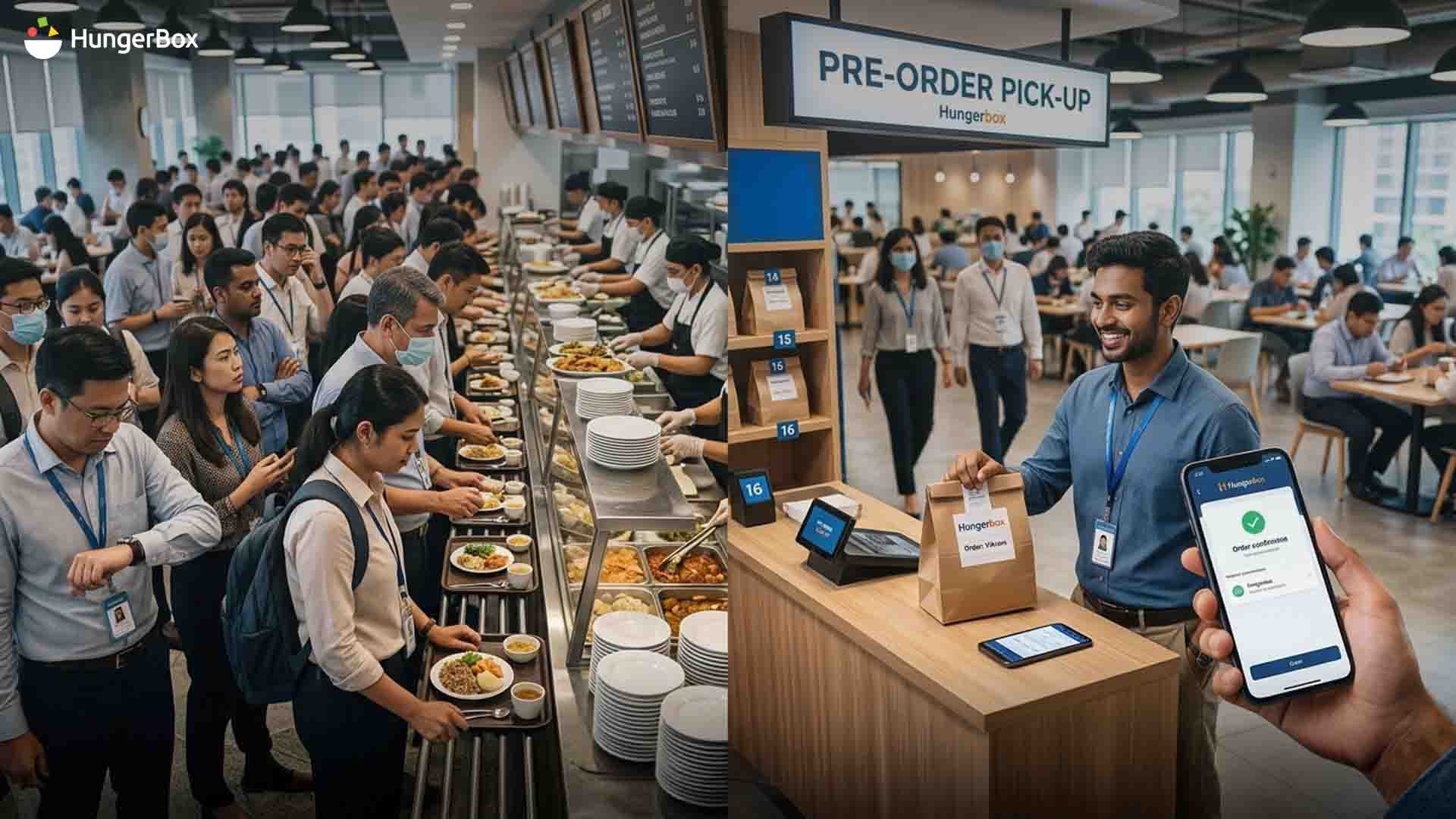
From Manual Dining to Digital: Why Businesses Need a Cafeteria Digitalization Solution
Modern workplaces are evolving rapidly, and so are employee expectations. Office Meal Management is no longer just about serving food in a cafeteria it is about delivering convenience, efficiency, and a seamless dining experience for employees. This is where a Cafeteria Digitalization Solution becomes essential.
Traditional cafeteria operations often rely on manual systems, paper tokens, cash payments, and unstructured vendor coordination. These outdated methods lead to long queues, billing errors, food wastage, and poor employee experience. In contrast, a Cafeteria Digitalization Solution transforms workplace dining by automating the entire process—from menu browsing and meal ordering to payment, vendor management, and analytics.
By digitizing cafeteria operations, organizations can streamline Office Meal Management, reduce operational inefficiencies, and deliver faster, contactless dining experiences. Employees can browse live menus, pre-order meals, avoid queues, and make digital payments all through a mobile app or integrated platform. At the same time, facility managers gain real-time insights into consumption trends, vendor performance, and food wastage.
For businesses aiming to enhance employee satisfaction while improving operational control, adopting a digital cafeteria system is no longer optional it’s a strategic investment in workplace experience and efficiency.
Why Businesses Need a Cafeteria Digitalization Solution
The Problems with Traditional Office Cafeterias
Manual cafeteria systems create several operational challenges for companies managing large employee populations.
1. Long Queues and Time Loss
Employees often spend a significant portion of their lunch break waiting in line to order and collect food. This reduces productivity and creates unnecessary congestion during peak hours.
2. Lack of Visibility and Data
Manual systems provide little insight into food consumption patterns, vendor performance, or employee preferences. Without data, companies struggle to optimize menus or reduce food waste.
3. Billing Errors and Cash Handling
Traditional cafeterias depend on cash payments or manual billing systems, which increases the chances of errors and delays.
4. Poor Vendor Coordination
Managing multiple food vendors manually makes it difficult to track service quality, hygiene compliance, and vendor performance.
A Cafeteria Digitalization Solution eliminates these inefficiencies by introducing automation, transparency, and real-time insights into workplace dining operations.
Key Benefits of a Cafeteria Digitalization Solution
1. Streamlined Office Meal Management
Digital platforms simplify the entire Office Meal Management process. Employees can view menus, place orders in advance, and schedule pickup times through a mobile app.
Benefits include:
- Pre-order meals before peak hours
- Reduce cafeteria crowding
- Faster meal pickup and service
- Real-time menu updates
This ensures a smooth and efficient dining experience for employees.
2. Data-Driven Cafeteria Operations
A Cafeteria Digitalization Solution provides valuable analytics that help facility managers make better decisions.
Companies can track:
- Most popular dishes
- Peak dining hours
- Food wastage levels
- Vendor performance metrics
These insights help organizations optimize menus, improve vendor accountability, and reduce unnecessary costs.
3. Improved Employee Experience
Employee satisfaction is a key factor in workplace productivity. Digital cafeteria platforms enhance the dining experience by offering convenience and choice.
Employees can:
- Browse live menus from their desk
- Filter meals by dietary preferences
- Track calorie or nutrition details
- Rate meals and provide feedback
This level of transparency and personalization improves employee engagement and workplace satisfaction.
4. Contactless and Secure Transactions
Digital cafeteria systems support contactless ordering and payments, making dining safer and faster.
Key features include:
- QR code ordering
- Mobile wallet integration
- Cashless transactions
- Digital billing and receipts
These features not only improve hygiene but also reduce administrative workload.
5. Reduced Food Waste and Better Sustainability
Food waste is a major challenge in corporate cafeterias. A Cafeteria Digitalization Solution helps organizations forecast demand more accurately.
Using real-time order data, companies can:
- Prepare meals based on actual demand
- Avoid overproduction
- Monitor leftover food levels
- Improve inventory planning
This leads to more sustainable cafeteria operations while reducing operational costs.
How HungerBox Transforms Corporate Cafeteria Management
Platforms like HungerBox help organizations implement a complete corporate cafeteria management ecosystem.
The HungerBox platform enables:
- Multi-vendor cafeteria management
- Digital ordering and payments
- Vendor performance tracking
- Employee feedback systems
- Advanced cafeteria analytics
Companies using HungerBox can manage workplace dining at scale while delivering a superior employee experience.
The Future of Office Meal Management
As workplaces continue to evolve, the role of digital dining systems will become even more critical. Future-ready cafeterias will integrate:
- AI-powered demand forecasting
- Personalized meal recommendations
- Smart vendor management systems
- Sustainability and waste tracking dashboards
Organizations that adopt Cafeteria Digitalization Solutions today will be better prepared to meet future workplace expectations.
Ready to Digitize Your Corporate Cafeteria?
Transform your workplace dining experience with a smart Cafeteria Digitalization Solution from HungerBox.
Discover how HungerBox can help you modernize your Office Meal Management and create a smarter workplace cafeteria.
Frequestly Asked Questions

A Cafeteria Digitalization Solution is a software platform that automates workplace dining operations, including menu management, food ordering, vendor coordination, payments, and analytics.
It streamlines Office Meal Management by enabling employees to pre-order meals, reducing queues, automating payments, and providing real-time insights for administrators.
Yes. Digital cafeteria systems use data analytics and demand forecasting to ensure that meals are prepared based on actual demand, significantly reducing food waste.
Absolutely. Digital cafeteria platforms are designed to manage multiple vendors, large employee populations, and multiple office locations efficiently.
HungerBox provides an end-to-end corporate cafeteria management platform that improves employee experience, optimizes food operations, and provides actionable insights for facility managers.