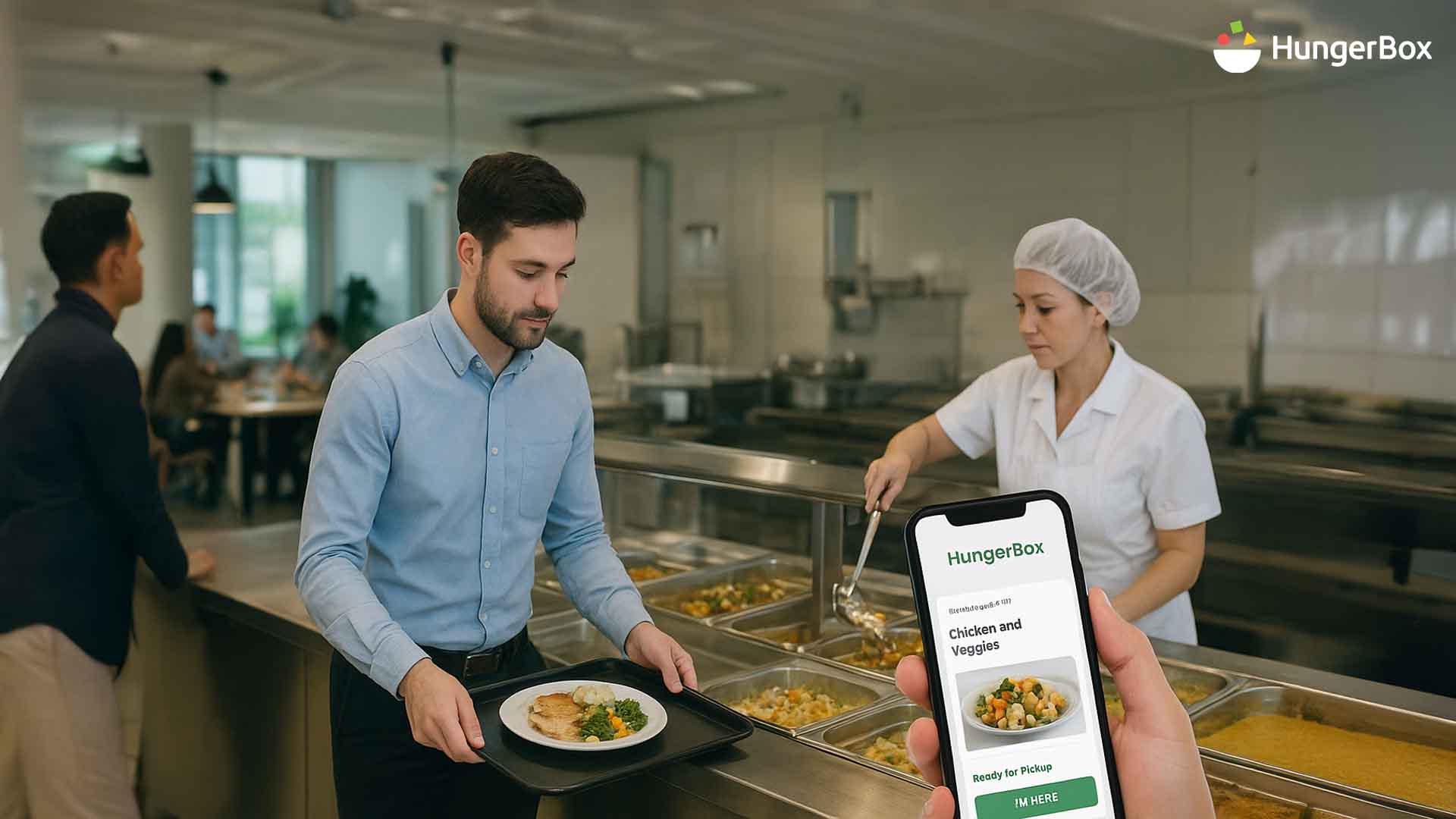
Why Do Corporate Cafeterias Struggle with High Food Wastage and How Can Digital Solutions Fix It?
Food wastage in corporate cafeterias is a growing but often overlooked operational challenge. While it appears to be a kitchen-level issue, the impact goes far beyond the cafeteria. High levels of wasted food translate into unnecessary costs, inefficient vendor operations, sustainability concerns, and poor dining experiences for employees. In an era where workplaces are rapidly embracing digital transformation, traditional cafeteria practices can no longer keep up with dynamic workforce patterns, hybrid attendance, or evolving dietary preferences.
This blog explores the root causes of food wastage in corporate cafeterias and how digital cafeteria management systems can significantly reduce waste while improving efficiency, sustainability, and cost control.
Understanding Why Food Waste Happens in Corporate Cafeterias
Poor Demand Forecasting
One of the biggest reasons for excessive food waste is inaccurate forecasting. Cafeterias often prepare meals based on rough estimates or historical assumptions rather than real-time data. Hybrid work schedules make this even more unpredictable. When attendance fluctuates across days, manual forecasting leads to either overproduction or running out of popular items.
Mismanaged Vendor Operations
Corporate cafeterias typically work with multiple vendors, each operating independently. Without a central system tracking order trends, meal consumption, and service patterns, vendors rely on guesswork to plan production. This lack of coordination leads to inefficient food prep cycles, resulting in wastage of cooked meals, raw ingredients, and semi-prepared items.
Menu Planning Issues
Menus that lack variety or don’t align with employee preferences often see low uptake. When employees don’t choose certain dishes, entire batches go to waste. Without data on past ordering behaviour, ratings, or dietary trends, meal planning becomes disconnected from actual employee demand.
Inventory Inefficiencies
Manual tracking of inventory introduces errors that lead to overstocking perishable items or miscalculating usage patterns. This creates scenarios where ingredients expire before use or are discarded at the end of the day due to poor storage planning.
Hybrid Workforce Complexities
As hybrid work becomes the norm, cafeterias face unpredictable footfall. Mid-week may see high crowds, while Mondays and Fridays might be low-traffic days. Without digital visibility into expected attendance, vendors often prepare uniformly across days—leading to increased food waste.
Sustainability & ESG Pressures
Many companies want to align cafeteria operations with their sustainability goals, but manual systems offer no visibility into waste levels or areas of improvement. This lack of reporting prevents organisations from reducing their carbon footprint or meeting ESG benchmarks.
How Digital Solutions Help Reduce Food Waste
Digital cafeteria management solutions help cafeterias shift from reactive operations to proactive, data-driven systems. These tools enhance transparency, optimise production, and support smarter decisions.
Explore full digital cafeteria capabilities here
Real-Time Demand Forecasting
Digital platforms analyse attendance data, past order trends, peak-hour patterns, and daily consumption to accurately predict meal requirements. This prevents overproduction and enables vendors to plan kitchen operations more efficiently.
Pre-Ordering for Better Visibility
Employees can pre-order meals through the cafeteria app, giving vendors real-time insight into expected demand. This ensures:
- Right quantity of meals prepared
- Better resource allocation
- Reduced food wastage at counters
Digital Inventory Tracking
Smart systems update inventory levels automatically with every transaction, helping vendors:
- Track ingredient usage
- Avoid overstocking
- Reduce expired or unused raw material
This ensures lean inventory practices aligned with actual diner demand.
Data-Driven Menu Planning
Digital systems allow cafeteria teams to access dish popularity, employee feedback, and consumption patterns. This helps them:
- Remove low-demand items
- Introduce seasonal or healthier dishes
- Adjust portions or preparation quantities
Menus evolve based on actual preferences, not assumptions.
Better Vendor Coordination
Digital cafeteria platforms centralise vendor dashboards, allowing facility teams to:
- Track vendor performance
- Monitor SLA compliance
- Identify high or low waste contributors
- Optimise procurement and delivery schedules
This accountability helps reduce systematic food wastage.
Slot-Based Dining to Manage Footfall
With pre-determined meal slots, cafeterias can distribute employee traffic evenly throughout lunch hours. This ensures better preparation planning, minimises overproduction, and improves cafeteria flow.
Waste Reporting & ESG Insights
Digital dashboards provide:
- Daily waste logs
- Consumption reports
- Trends in underutilised dishes
- Supplier wastage data
These insights help organisations meet sustainability benchmarks and reduce their environmental footprint.
Benefits of Reducing Food Waste Through Digital Solutions
Cost Savings
Wastage reduction leads to significant savings across:
- Raw ingredients
- Prepared meals
- Vendor contract alignment
- Staff utilisation
Better Employee Experience
When cafeterias prepare the right meals in the right quantities:
- Food availability improves
- Quality remains consistent
- Employee satisfaction goes up
Higher Vendor Accountability
Digital tools bring transparency to vendor operations, making performance measurable and manageable.
Stronger Sustainability Metrics
Less food wasted = better ESG results, reduced carbon impact, and a more responsible corporate footprint.
Scalable Cafeteria Management
Digital systems allow corporates to scale cafeteria operations across cities or campuses with unified controls.
The Future of Waste-Free Corporate Cafeterias
Food-tech is transforming how workplaces approach dining. With AI-driven forecasting, live data dashboards, multi-vendor management, and real-time visibility, cafeterias are moving from manual guesswork to strategic planning.
Digital cafeteria management is not just a tech upgrade—it’s a necessity for operational efficiency, sustainability, and better employee experience.
Explore how HungerBox enables technology-driven cafeteria operations
Ready to Reduce Food Wastage in Your Cafeteria?
Speak with our team to understand how digital cafeteria solutions can transform your operations
See how the platform helps reduce food waste and streamline vendor performance.