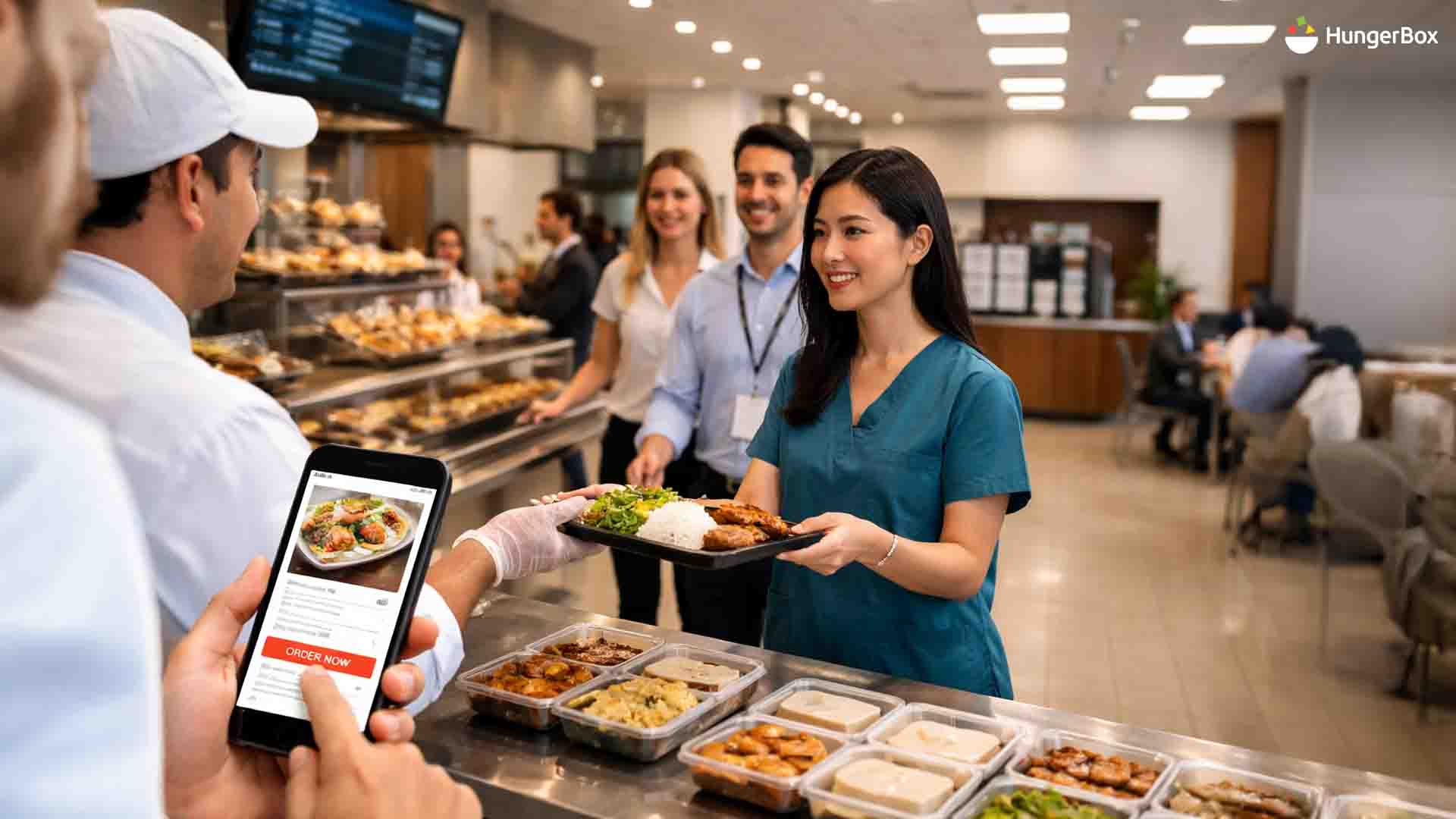
How Corporate Cafeteria Companies Are Using Technology to Modernize Office Meal Management
Corporate Cafeteria Companies are transforming how organizations manage workplace dining by integrating technology into every stage of food service. Today, these companies go beyond simply providing meals, they deliver smart, data-driven cafeteria solutions that improve efficiency, reduce costs, and enhance employee experience. From mobile ordering and contactless payments to AI-based demand forecasting and real-time analytics, modern corporate cafeteria services are built for speed, personalization, and scalability.
As workplaces evolve with hybrid models and rising employee expectations, traditional cafeterias are no longer sufficient. Businesses now rely on digital cafeteria platforms to streamline operations, manage vendors, ensure hygiene compliance, and support sustainability goals. In simple terms, corporate cafeteria companies use technology to turn food services into a strategic workplace asset, one that drives productivity, employee satisfaction, and operational excellence.
Upgrade to Corporate Cafeteria Management
The Shift from Traditional to Smart Corporate Cafeterias
Why Traditional Cafeterias No Longer Work
Manual cafeteria systems often lead to long queues, food wastage, billing errors, and lack of visibility. These inefficiencies impact both employee experience and operational costs.
The Rise of Digital Cafeteria Solutions
Modern corporate cafeteria companies are adopting:
- Mobile-based food ordering
- Contactless payments
- Real-time menu updates
- Automated billing systems
These features eliminate friction and create a seamless dining experience.
How Technology is Transforming Corporate Cafeteria Management
Mobile Ordering and Contactless Experience
Employees can now:
- Pre-order meals from their desks
- Avoid long queues
- Pay digitally without cash
This improves convenience and saves valuable time during work hours.
Data-Driven Decision Making
Corporate cafeteria companies use analytics to track:
- Meal preferences
- Peak dining hours
- Consumption trends
This data helps optimize menus, reduce waste, and improve service quality.
Smart Features Used by Corporate Cafeteria Companies
Real-Time Inventory Management
Digital systems track inventory automatically, ensuring:
- Reduced food wastage
- Better procurement planning
- Accurate stock management
Vendor Management Systems
Technology enables:
- Performance tracking of vendors
- SLA monitoring
- Quality and hygiene audits
This ensures consistent food quality across locations.
Enhancing Employee Experience Through Technology
Personalized Meal Options
Employees can filter meals based on:
- Dietary preferences (vegan, keto, gluten-free)
- Calorie counts
- Allergens
This creates a more inclusive and health-focused dining experience.
Real-Time Feedback Systems
Employees can rate meals instantly, allowing:
- Faster issue resolution
- Continuous improvement
- Higher satisfaction levels
Supporting Hybrid Workplaces with Smart Cafeterias
Hybrid work has made cafeteria demand unpredictable. Corporate cafeteria companies use:
- AI-based demand forecasting
- Slot-based meal scheduling
- Pre-booked dining
This ensures efficient food preparation and minimizes waste.
Improving Compliance and Food Safety
Digital Hygiene Tracking
Technology enables:
- Automated hygiene checklists
- Sanitization logs
- Audit-ready reports
Allergen and Ingredient Transparency
Digital menus display:
- Ingredient details
- Nutritional values
- Allergen warnings
This builds trust and ensures safety.
Driving Sustainability and Cost Efficiency
Reducing Food Waste
With real-time data, companies can:
- Predict demand accurately
- Avoid overproduction
- Track waste metrics
Cost Control Through Analytics
Corporate cafeteria companies monitor:
- Cost per meal
- Vendor efficiency
- Daily consumption
This helps organizations optimize budgets and improve ROI.
Integration with Workplace Systems
Modern cafeteria platforms integrate with:
- HRMS systems
- Employee ID cards
- Payroll and subsidy programs
This creates a unified ecosystem where food services align with overall workplace operations.
The Role of AI and Automation
Predictive Meal Planning
AI analyzes:
- Past orders
- Attendance patterns
- Seasonal trends
This ensures accurate meal preparation.
Chatbots and Smart Ordering
Employees can order food via:
- Workplace apps (Slack, Teams)
- Chat-based interfaces
This makes ordering faster and more intuitive.
Future of Corporate Cafeteria Companies
The future includes:
- AI-powered personalization
- Blockchain for food traceability
- Smart vending systems
- Integrated meal wallets
Corporate cafeterias are evolving into fully digital ecosystems.
Why Businesses Are Choosing HungerBox
HungerBox helps organizations modernize cafeteria operations with:
- End-to-end cafeteria management
- Multi-vendor integration
- Real-time analytics
- Contactless dining solutions
Transform Your Corporate Cafeteria Today
Looking to upgrade your workplace dining experience?
Contact Us to explore smart cafeteria solutions tailored for your business
Schedule a Demo Call and see how digital cafeteria management works in real-time
Upgrade to Corporate Cafeteria Management with HungerBox and deliver a seamless food experience
Frequestly Asked Questions

Corporate cafeteria companies manage workplace food services using technology to improve efficiency, employee satisfaction, and cost control.
It enables mobile ordering, reduces queues, tracks data, and ensures better food quality and hygiene.
To reduce food waste, improve employee experience, and gain real-time operational insights.
Yes, through demand forecasting, inventory control, and vendor optimization.
They use AI forecasting and pre-ordering systems to manage fluctuating employee attendance.