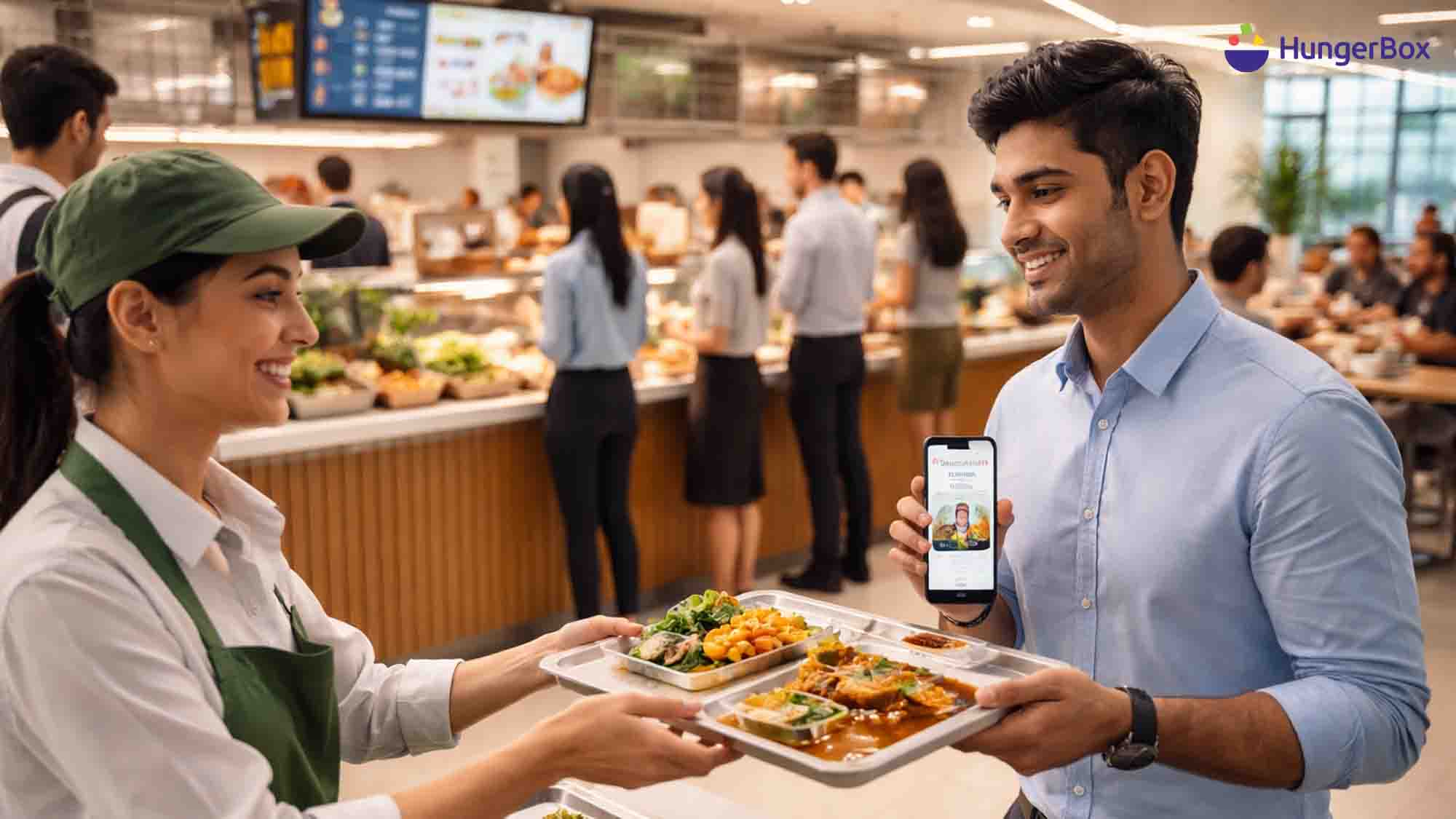
How Digital Cafeterias Are Transforming Corporate Canteens for the Modern Workforce
Corporate workplaces have changed rapidly over the last few years. Employees now expect speed, transparency, and convenience in almost every part of their workday—including food. Yet many corporate canteens still operate with manual processes, limited visibility, and slow service.
This gap has led to the rise of the digital cafeteria—a smart, technology-driven approach to managing corporate canteens. Digital cafeterias are helping organizations improve employee experience, reduce operational challenges, and modernize food services across offices and tech parks.
In this blog, we explore how digital cafeterias are transforming corporate canteens and why more companies are adopting digital cafeteria solutions to support today’s workforce.
What Is a Digital Cafeteria?
A digital cafeteria uses technology to manage the entire food experience—from menu discovery and ordering to payments, queue management, and feedback.
Instead of manual counters and static menu boards, employees access cafeteria services through mobile apps, kiosks, and digital dashboards. This shift creates a smoother, faster, and more predictable dining experience.
Why Traditional Corporate Canteens Are Falling Behind
Long Queues and Peak-Time Congestion
Manual ordering and billing slow down service during lunch hours, leading to overcrowding and frustration.
Limited Visibility Into Food Options
Employees often don’t know what food is available across multiple cafeterias or counters until they physically visit them.
Cash or Coupon-Based Payments
Outdated payment systems create delays and increase operational effort.
Lack of Data for Companies
Without digital systems, companies lack insights into employee preferences, peak hours, and vendor performance.
These challenges directly impact employee satisfaction and productivity.
How Digital Cafeterias Are Transforming Corporate Canteens
Real-Time Menu Visibility
Employees can view live menus, available dishes, and active counters across all cafeterias before leaving their desks. This reduces unnecessary movement and saves time.
Faster Ordering and Reduced Queues
Digital ordering through apps or kiosks helps employees place orders quickly and avoid standing in long lines.
Cashless and Seamless Payments
Digital cafeterias support UPI, cards, wallets, and corporate meal allowances—eliminating cash handling and speeding up checkout.
Smart Queue and Crowd Management
With real-time data, companies can manage cafeteria traffic better and reduce peak-hour congestion.
Personalized Food Experience
Digital platforms learn employee preferences and recommend dishes, helping employees discover new food options easily.
Benefits of Digital Cafeterias for Employees
Saves Time During Breaks
Employees spend less time waiting and more time relaxing.
Better Food Discovery
Access to multiple cafeterias and vendors in one place improves choice.
Predictable Dining Experience
Employees know what’s available, how long it will take, and where to go.
Convenient Payments
No need to carry cash or coupons.
Benefits for Companies and Facility Teams
Improved Employee Satisfaction
A smooth cafeteria experience contributes to a better workday.
Operational Efficiency
Digital systems reduce manual effort and errors.
Actionable Data and Insights
Companies can track:
- Footfall patterns
- Popular dishes
- Peak hours
- Vendor performance
Better Vendor Management
Data helps improve food quality and service consistency.
Why Corporate Cafeteria Companies Are Going Digital
Leading corporate cafeteria companies are adopting digital solutions to scale operations across multiple locations. Digital platforms allow centralized control while offering flexibility at each cafeteria.
This approach helps companies maintain consistent food standards while offering variety and speed.
Explore how modern companies manage cafeterias digitally
The Future of Corporate Dining
The future of corporate canteens is digital, data-driven, and employee-focused. As hybrid work models evolve, companies need flexible cafeteria systems that can scale up or down easily.
Digital cafeterias will continue to play a key role in improving workplace experience, supporting productivity, and building positive office culture.
Final Thoughts
Corporate canteens are no longer just food counters—they are part of the employee experience. Digital cafeterias help companies move away from outdated systems and create efficient, modern dining environments.
By adopting a digital cafeteria solution, organizations can simplify operations, delight employees, and prepare their food services for the future.
Upgrade Your Corporate Cafeteria Today
Frequestly Asked Questions

A digital cafeteria uses technology to manage menus, food ordering, payments, and cafeteria operations through apps or kiosks. It replaces manual canteen processes and gives employees faster, more convenient access to food.
Digital cafeterias reduce waiting time, show live food options, support cashless payments, and help employees order food quickly. This makes lunch breaks smoother, more predictable, and less stressful for employees.
Traditional canteens struggle with long queues, cash handling, and lack of visibility. Digital cafeteria solutions help companies improve efficiency, reduce operational effort, and offer a modern dining experience that today’s workforce expects.
Yes. Digital cafeteria platforms like HungerBox are designed to manage multiple cafeterias, vendors, and locations from a single system. Employees can view menus and order food across all cafeterias using one app.
Companies gain better control through real-time data on footfall, food demand, and vendor performance. Facility teams can manage operations more efficiently, reduce errors, and improve overall cafeteria service quality.