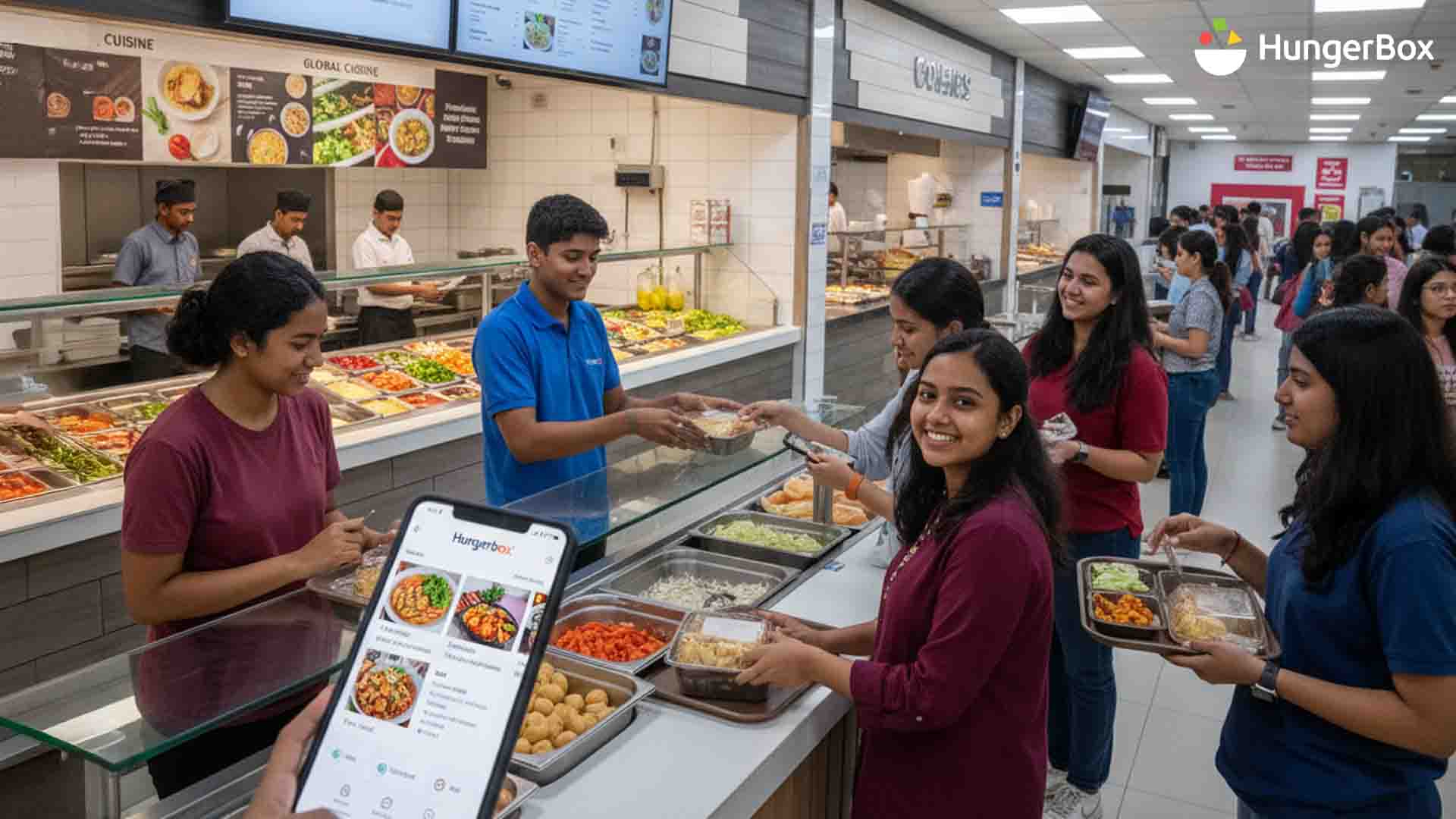
Why Do College Mess Menus Become Repetitive and How Can Institutes Offer More Food Variety?
A college mess menu should make students look forward to meals—but in most campuses, the opposite happens. Day after day, the same dishes reappear. Lunch menus feel predictable, dinner plates lack excitement, and weekend meals are often just recycled versions of weekday items. The result? Students quickly feel stuck with limited food variety and a repetitive menu, which impacts satisfaction, nutrition, and overall campus life.
But repetitive menus aren't accidental. They stem from operational challenges, vendor limitations, and the absence of structured menu planning systems. Fortunately, modern campuses are now adopting smarter food-tech solutions, allowing them to rotate food partners, bring in popular brands, and host cuisine-led festivals to keep the dining experience fresh.
This blog explores why monotony happens and how colleges can transform their mess and cafeteria experience using curated rotation strategies and digital cafeteria management.
The Real Student Pain Points with Repetitive Mess Menus
Food Fatigue Affects Appetite and Mood
When meals look the same every other day, students naturally feel disinterested. Food fatigue can lead to:
- Skipping meals
- Opting for unhealthy alternatives outside campus
- Reduced energy levels during classes
A lack of novelty reduces the joy of eating—and for students living far from home, this matters greatly.
Limited Food Variety Hurts Nutrition
A repetitive menu means the same ingredients, the same preparation styles, and the same nutritional profile every day. Students miss out on:
- Balanced macronutrients
- Seasonal foods
- Diverse vitamins and minerals
Well-being and academic performance begin with balanced meals.
Students Have Diverse Taste Preferences
Campus populations aren’t uniform. Students come from:
- Different regions
- Different cultural backgrounds
- Different dietary habits
A repetitive menu ignores these differences, leaving many students unsatisfied.
No Excitement Around Food = Lower Dining Participation
Food is a major part of campus culture. When the menu lacks variety, students lose enthusiasm and stop engaging with cafeteria spaces.
Complaints Increase, but Change Doesn't Happen
Students often raise concerns like:
- "The menu is the same every week."
- "Why don’t we get new cuisines?"
- "Why are live counters not updated?"
But without real-time systems and structured rotation plans, mess management struggles to respond.
Why Do College Mess Menus Become So Repetitive?
Fixed Vendor Capabilities
Most mess operations depend on a single food vendor, whose ability to prepare diverse cuisines is limited.
Lack of Menu Planning Tools
Without digital systems, colleges rely on manual weekly planning—which often creates repetitive menu cycles.
Budget Restrictions
While colleges try to maintain cost efficiency, budget constraints sometimes result in repetitive, cost-effective dishes.
No Feedback-Based Optimization
When student feedback is not digitized, insights never reach decision-makers.
Outdated Operational Structure
Traditional cafeterias focus on serving meals rather than designing dining experiences.
The HungerBox Solution: Eliminating Menu Monotony with Multi-Layered Variety
To break the cycle of repetitive menus, HungerBox enables colleges to redesign cafeteria operations with strategy and technology.
Here’s how:
Curated Food Partner Rotation
Instead of relying on one vendor, colleges can:
- Rotate food partners
- Introduce specialty cooks on certain days
- Switch menu themes weekly
This brings natural variety without raising costs.
Brand Tie-Ups for Student Favorites
Students love familiar brands. HungerBox enables colleges to onboard:
- Popular fast-food chains
- Regional cuisine brands
- Healthy food brands
Brand diversity adds excitement to everyday dining.
Special Cuisine Festivals
To combat limited food variety and repetitive menu patterns, HungerBox supports:
- South Indian festival weeks
- Italian or continental food days
- Street food pop-ups
- Seasonal food fests
These break monotony and create memorable dining experiences
Theme-Based Meal Days
Examples:
- Wellness Wednesdays—high protein bowls
- Friday Fiesta—Mexican or fusion foods
- Sunday Specials—comfort meals
Students get something to look forward to every week.
Smart Menu Planning with Digital Systems
Using HungerBox’s digital cafeteria platform, administrators can:
- Access vendor performance
- Rotate menus automatically
- Track feedback trends
- Understand food popularity
This ensures decisions are data-driven, not guesswork.
Explore all capabilities here:
How Digital Cafeteria Management Enhances Food Variety
Live Menu Updates
Students can view:
- Daily and weekly menus
- Special dishes
- Rotating counters
- Festival announcements
This brings transparency and excitement.
Real-Time Feedback Loops
Students can instantly rate:
- Food taste
- Menu freshness
- Variety levels
Cafeteria teams can then adjust menus based on real-time insights.
Vendor Performance Tracking
Colleges can track:
- Cuisine quality scores
- Popularity of dishes
- Vendor reliability
This helps select the right mix of food partners.
Stock Visibility for Diverse Meals
Digital dashboards show stock levels so vendors can:
- Prepare multiple cuisines
- Avoid repetition due to shortages
- Maintain consistency in special menus
Data-Driven Festival & Rotation Planning
Using consumption data, campuses can schedule:
- High-demand cuisine days
- Seasonal specials
- Vendor rotation slots
Why Food Variety Is Essential for Student Well-Being
Improves Mental and Physical Health
Different cuisines = different nutrients.
Boosts Energy Levels During Classes
Better meals lead to better concentration.
Supports Cultural Inclusivity
A diverse menu respects all regional backgrounds.
Makes Campus Dining Enjoyable
Food variety makes everyday life more vibrant.
Enhances Campus Reputation
Parents and prospective students notice food standards.
What Colleges Gain by Fixing Repetitive Menus
Higher Mess Participation Rates
- Students return to dining halls when food becomes exciting.
Stronger Student Satisfaction Scores
- Food quality directly influences campus happiness.
Lower Food Wastage
- When students love the menu, waste naturally drops.
Better Vendor Performance
- Rotation encourages vendors to innovate.
Stronger Community Engagement
- Festivals, pop-ups, and brand days make cafeterias cultural hubs.
Final Thoughts
Limited food variety and repetitive menus aren’t just operational issues—they directly affect student life, health, and happiness. Colleges want to offer better options, and students crave new dishes, but without structured systems, change is slow.
With HungerBox, colleges finally have the tools to:
- Rotate food partners effortlessly
- Onboard student-loved brands
- Host cuisine festivals and themed events
- Personalize menus based on live feedback
- Use data to eliminate monotony for good
Modern campuses deserve modern dining experiences—varied, exciting, and student-first.
Transform Your College Mess Menu Experience
Frequestly Asked Questions

Most colleges depend on a single vendor, limited kitchen capabilities, and manual menu planning. Without structured rotation or feedback systems, menus repeat weekly. Digital cafeteria platforms like HungerBox help break this pattern through curated vendor rotation, live menu planning, and data-driven insights.
Institutes can expand food diversity by rotating food partners, tying up with popular food brands, and hosting cuisine-specific festivals. Platforms like HungerBox make this easy by supporting curated food rotation, special cuisine events, and smart digital planning.
Digital cafeteria management systems provide transparency, track food popularity, collect real-time student feedback, and help administrators plan diverse weekly menus. With digital insights, colleges eliminate guesswork and create menus students actually enjoy.
Yes. Many modern campuses now host street food festivals, regional cuisine weeks, healthy food days, and weekend specials. With HungerBox, these events are planned based on student preferences and consumption trends, helping reduce monotony.
Variety directly improves student mood, nutritional intake, mess participation, and overall dining experience. When students have diverse, exciting meals, food wastage decreases and satisfaction scores rise—making campus life more enjoyable.