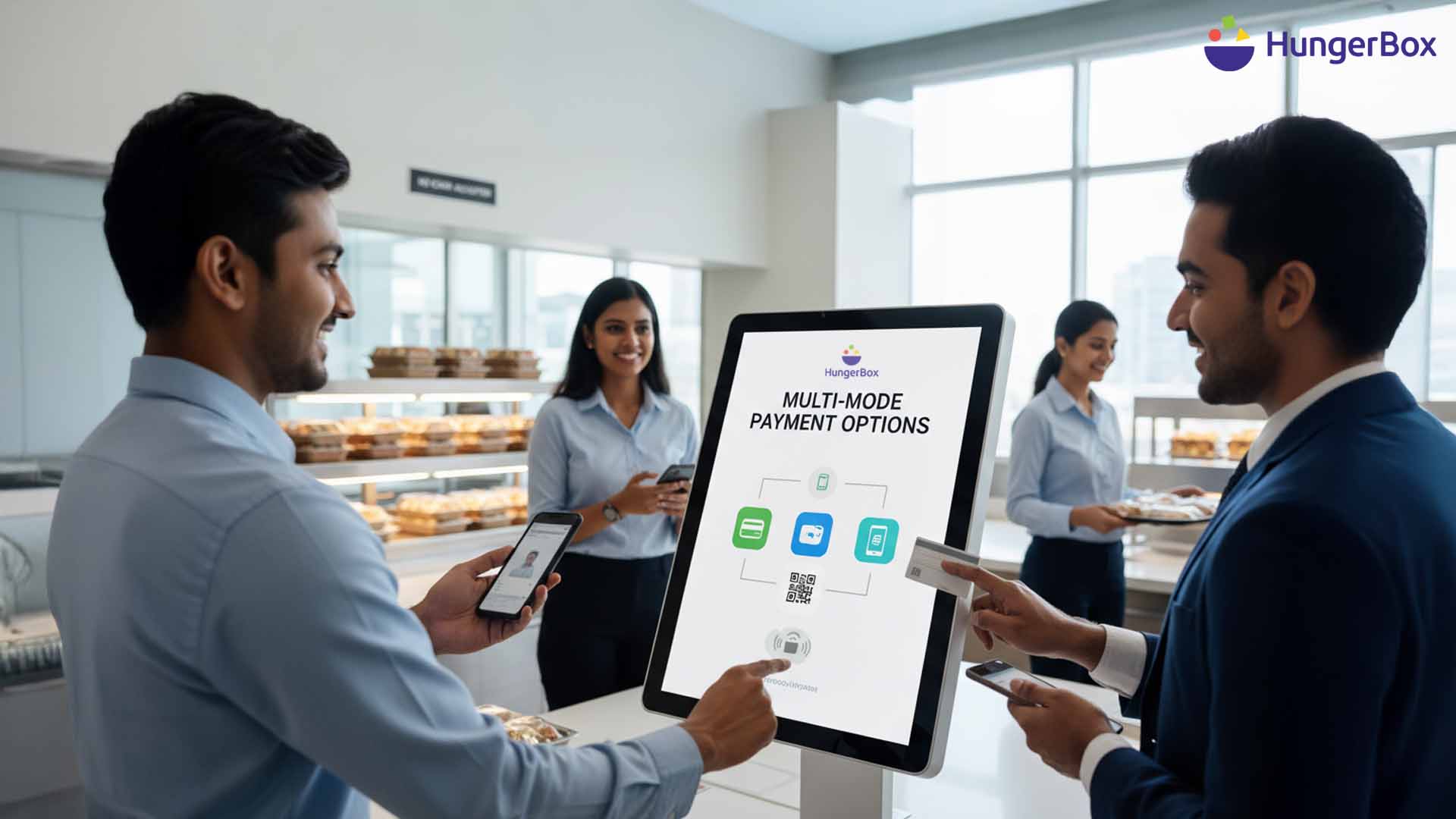
How Digital Cafeteria Systems Solve Cash-Only Limitations with Multi-Mode Payment Options
For years, workplace and college cafeterias have operated with limited payment methods, often relying on cash-only counters. While this might seem convenient from an operational standpoint, it creates friction for users, slows down service, increases queue lengths, and limits transparency in cafeteria spending. Today’s employees and students expect fast, convenient, and flexible payment options—similar to what they experience on food delivery apps and retail platforms.
Modern dining environments require cafeterias to move beyond outdated cash-only setups. Thankfully, Digital Cafeteria Systems now offer seamless, secure, and fully integrated multi-mode payment options designed to eliminate the limitations created by restricted payment methods.
In this blog, we explore why cash-only cafeterias struggle, how limited payment methods impact user experience, and how digital cafeteria platforms solve these issues with unified POS systems, multi-payment support, and complete transaction transparency.
The Problem: Limited Payment Methods and Cash-Only Counters
Cash-only cafeterias may seem simple to run, but they bring major challenges for workplaces, colleges, and cafeteria vendors.
Slow Billing Cycles
Cash transactions require:
- Counting notes
- Returning change
- Physical handling of money
- Manual entry of orders
This slows down counters, creates long queues, and reduces cafeteria throughput.
Payment Inconvenience for Employees and Students
Today’s users rarely carry cash. When cafeterias accept only cash, it leads to:
- Frustration
- Abandoned purchases
- Reduced cafeteria participation
- Time wasted withdrawing cash
Manual Errors and Billing Disputes
Cash counters are prone to:
- Miscalculations
- Lost change
- Unrecorded transactions
- End-of-day mismatches
This creates operational inconsistencies and trust issues.
Lack of Transparency for Admins
Limited payment methods mean:
- No digital transaction logs
- No visibility into daily sales
- Difficult vendor reconciliation
- No real-time financial reports
Admins lose control over cafeteria operations.
Higher Security and Compliance Risks
Handling physical cash increases exposure to:
- Theft
- Misuse
- Cash leakages
- Manual handling risks
No Support for Subsidies or Digital Meal Credits
Cash-only systems cannot support:
- Corporate meal subsidies
- College prepaid credits
- Vendor-based offers
- Digital meal cards
This limits cafeteria flexibility.
Why Modern Cafeterias Must Go Cashless
Digital-first workplaces and colleges expect cafeteria operations to match the speed and convenience of modern digital ecosystems.
Improved User Convenience
Users want:
- Fast checkout
- Contactless transactions
- Multiple payment modes
- Zero cash dependency
Better Financial Control
Admins gain visibility through:
- Digital billing
- Automated reports
- Vendor reconciliation
- Real-time dashboards
Faster Operations
Cashless counters dramatically reduce:
- Queue lengths
- Manual steps
- Billing delays
Seamless Integration with Workplace and Student Systems
Digital cafeterias integrate with:
- Access cards
- Student IDs
- Meal wallets
- App-based ordering
The Solution: How Digital Cafeteria Systems Enable Multi-Mode Payments
Digital cafeteria platforms eliminate cash-only limitations by offering 100% digital transactions and unified POS systems that accept every major payment method.
Explore full digital cafeteria capabilities here
Explore full digital cafeteria capabilities here
Multi-Mode Payments for Every User Type
Digital cafeteria systems support:
- UPI (Google Pay, PhonePe, Paytm, BHIM)
- Debit & credit cards
- Digital wallets
- Meal cards (Sodexo, Zeta, Paytm Food Card)
- Corporate wallets
- Prepaid balances
This removes friction and ensures no user is restricted by limited payment methods.
Unified POS for All Counters
A single POS system processes:
- UPI
- Card payments
- Wallets
- Meal cards
- QR-based app payments
Vendors no longer manage separate devices or reconciliation logs. Everything becomes centralized and traceable.
100% Digital Transactions Improve Speed and Accuracy
When cafeterias adopt 100% digital transactions, they benefit from:
- Faster billing
- Zero cash handling
- Error-free calculations
- Instant digital receipts
This not only reduces queues but enhances transparency.
App-Based Ordering and Payments
With platforms like the HungerBox Café App and PWA, users can:
- Browse menus
- Pre-order meals
- Pay digitally before pickup
- Track transaction history
This reduces congestion at peak hours and improves cafeteria flow.
Corporate and College Wallet Integration
Digital cafeteria systems integrate with:
- Corporate meal credits
- Student prepaid accounts
- Daily/monthly spending limits
This allows organizations to automate subsidies and track usage.
Digital Reconciliation for Vendors and Admins
Multi-mode payments create:
- Real-time sales tracking
- Vendor performance insights
- Automated settlement
- Transparent reporting
This strengthens vendor relationships and operational accountability.
Enhanced Security and Compliance
Digital payments reduce exposure to:
- Theft
- Cash misuse
- Fraud
Admins gain secure, traceable financial operations.
Benefits of Replacing Cash-Only Counters with Digital Payments
Faster Queues and Improved Efficiency
With multiple payment modes and contactless billing, counters move faster.
Better User Experience
Employees and students enjoy convenience, flexibility, and quick service
Reduced Administrative Burden
Automated reports reduce manual effort for finance and facility teams.
Stronger Financial Transparency
Every transaction is logged, traceable, and easy to audit.
Higher Cafeteria Participation
With UPI, cards, wallets, and meal cards—more users engage with cafeteria services.
Seamless Scalability
Digital solutions work across:
- Corporate campuses
- College cafeterias
- Multi-floor cafeterias
- Vendor-managed counters
The Future of Cafeterias: Fully Digital, Fast, and Friction-Free
Digital cafeteria systems are transforming how payments are handled in workplaces and educational institutions. With unified POS, 100% digital transactions, and support for all major payment modes, cafeterias can finally move beyond the limitations of cash-only counters.
Whether it’s reducing queues, enhancing payment convenience, or enabling smarter cafeteria operations, digital payment systems are now essential infrastructure for modern dining environments.
Discover how HungerBox enables end-to-end digital cafeteria experiences:
Discover how HungerBox enables end-to-end digital cafeteria experiences:
Ready to Transform Your Cafeteria Payment Experience?
Speak with our team to explore multi-mode digital payment solutions.
See how unified POS and 100% digital transactions can modernize your cafeteria.
Frequestly Asked Questions

Cash-only counters slow down billing, create long queues, and inconvenience users who prefer digital payments. They also limit transparency, increase manual errors, restrict subsidy usage, and negatively impact the overall cafeteria experience.
Digital cafeteria systems support multi-mode payments such as UPI, cards, wallets, and meal cards. With a unified POS, cafeterias eliminate cash-only limitations and offer faster, more convenient, and more reliable payment options to all users.
A unified POS is a single digital payment terminal that accepts all payment methods—including UPI, cards, meal cards (Sodexo, Zeta, Paytm), and wallets. It centralizes transactions, speeds up billing, eliminates cash handling, and provides accurate real-time reporting for vendors and admins.
Yes. Multi-mode digital payments drastically reduce billing time, eliminate the need for counting cash or returning change, and support app-based prepayments. This reduces queue lengths significantly and improves the flow of cafeteria operations during peak hours.
HungerBox enables 100% digital transactions through UPI, cards, wallets, Sodexo, Paytm Food Wallet, Zeta, and other supported payment modes. The platform provides a unified POS for all counters and seamless integration with corporate or college meal wallets, improving transparency, security, and user experience.